

Send the product name to LUX98 for a fast quote and club setup advice in Phnom Penh.
Yes. LUX98 supports billiard table delivery, installation and setup consulting in Phnom Penh and other Cambodia locations by quote.
Yes. Contact LUX98 by phone, WhatsApp or Telegram to request price, warranty, delivery and installation details.
Dưới đây là phiên bản tiếng Anh hoàn chỉnh theo phong cách Luxury SEO Product Page, đồng bộ với hệ thống nội dung phụ kiện bida cao cấp của LUX98:
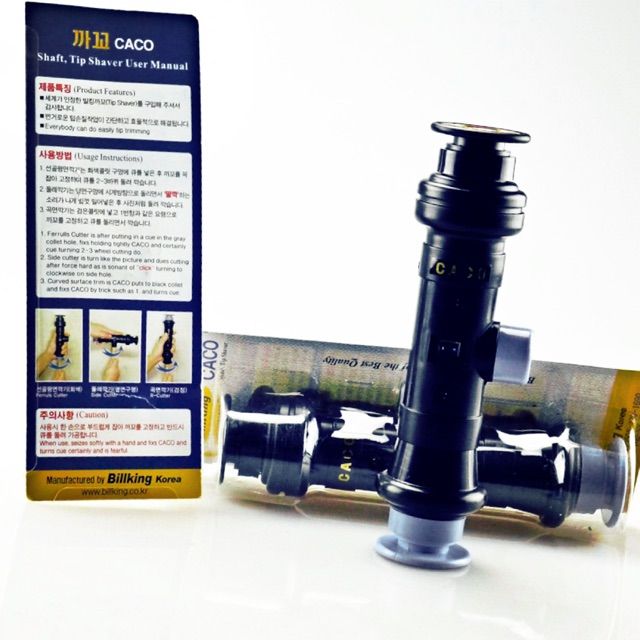
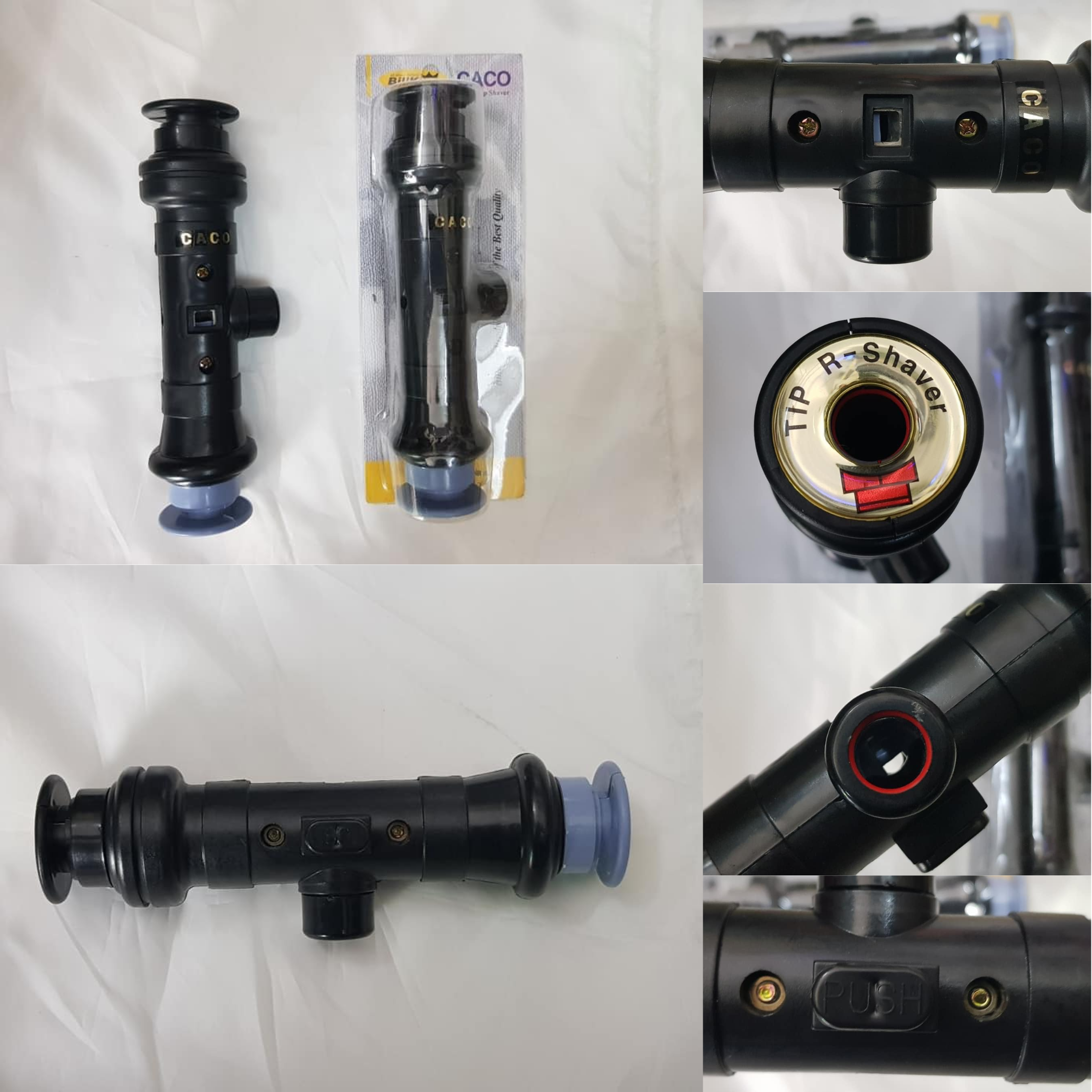
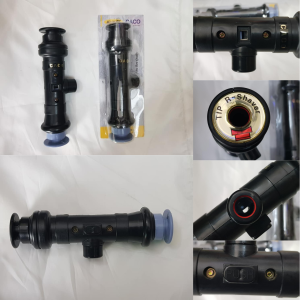
BILLKING CACO 3-in-1 Cue Tip Tool
Professional Multi-Function Cue Tip Shaper, Scuffer, and Aerator for Pool, Carom, English Pool, and Snooker Cues
The BILLKING CACO 3-in-1 Cue Tip Tool is a compact professional accessory designed to help billiard players maintain the shape, texture, and chalk-holding performance of their cue tips.
Developed by Billking, the CACO combines three essential cue-tip maintenance functions in one portable device:
- Tip Shaper
- Tip Scuffer
- Tip Pick / Aerator
A well-maintained cue tip is essential for reliable chalk adhesion, accurate cue-ball contact, consistent spin generation, and reduced risk of miscues. During regular play, the cue tip can gradually become flat, smooth, compressed, or glazed. These changes reduce its ability to hold chalk and may negatively affect control, accuracy, and confidence.
The BILLKING CACO 3-in-1 allows players to restore the cue tip without carrying several separate tools. Its shaping section helps rebuild the preferred dome profile, the scuffing surface refreshes the leather texture, and the aerating section creates small openings that improve chalk retention.
Manufactured from durable metal alloy and specialized abrasive materials, the tool is designed for repeated use during practice, competition, and routine cue maintenance.
Its small size makes it easy to store inside a cue case, accessory pouch, club locker, or tournament bag. It is suitable for many leather cue tips used in:
- American Pool
- Carom Billiards
- English Pool
- Snooker
- Chinese Pool
- Libre
- Three-Cushion Billiards
For players who want dependable cue-tip performance without carrying multiple maintenance accessories, the BILLKING CACO 3-in-1 offers a practical and professional solution.
Key Features
- Professional Cue Tip Maintenance Tool
- Developed by Billking
- Three Functions in One Device
- Integrated Tip Shaper
- Integrated Tip Scuffer
- Integrated Tip Pick / Aerator
- Helps Restore Cue Tip Shape
- Improves Chalk Adhesion
- Supports Better Spin Control
- Helps Reduce Miscues
- Suitable for Leather Cue Tips
- Compact Portable Design
- Durable Metal Alloy Construction
- Specialized Abrasive Surfaces
- Easy to Store in a Cue Case
- Suitable for Daily Practice
- Suitable for Tournament Preparation
- Compatible with Multiple Cue-Sport Disciplines
- Ideal for Amateur and Professional Players
- Helps Extend Cue Tip Service Life
Product Overview
The condition of the cue tip has a direct influence on every shot.
The cue tip is the only part of the cue that makes direct contact with the cue ball. Its shape and surface condition affect:
- Chalk retention
- Cue-ball grip
- Spin generation
- Stroke feedback
- Accuracy
- Power transfer
- Miscue resistance
A cue tip that has become flat or highly polished may not grip the cue ball effectively, especially on shots using side spin, draw, follow, or elevated cueing.
The BILLKING CACO 3-in-1 helps players perform essential maintenance quickly and conveniently.
Three Essential Functions in One Tool
The BILLKING CACO combines three commonly used maintenance tools into one compact accessory.
| Function | Main Purpose |
|---|---|
| Tip Shaper | Restores the rounded cue-tip profile |
| Tip Scuffer | Roughens and refreshes the tip surface |
| Tip Pick / Aerator | Creates small openings to improve chalk retention |
This integrated design reduces the need to carry multiple separate accessories.
Tip Shaper
The Tip Shaper section is used to restore the rounded profile of a worn or flattened cue tip.
A properly shaped cue tip helps provide:
- More consistent cue-ball contact
- Better control near the edge of the cue ball
- Improved spin application
- Stable chalk coverage
- More predictable shot feedback
The ideal shape depends on player preference, tip diameter, cue discipline, and playing style.
Why Cue Tip Shape Matters
A cue tip should maintain a controlled dome shape rather than becoming completely flat.
The curved profile allows the player to contact different areas of the cue ball while preserving a stable contact surface.
A well-shaped tip supports:
- Draw shots
- Follow shots
- Side spin
- Stun
- Cushion control
- Fine positional play
- Power shots
An excessively flat tip may make advanced spin shots more difficult.
Tip Scuffer
The Tip Scuffer refreshes the surface of the cue tip by gently removing smooth or glazed areas.
A cue tip may become polished after repeated contact with:
- The cue ball
- Chalk
- Cleaning materials
- Humidity
- Hand oils
- Compression from strong shots
A smooth tip surface may hold less chalk and increase the risk of a miscue.
Benefits of Scuffing
Controlled scuffing can help:
- Improve chalk adhesion
- Restore surface texture
- Reduce glazing
- Create more reliable cue-ball grip
- Improve confidence on spin shots
- Support consistent stroke performance
The process should be gentle to avoid unnecessary leather removal.
Tip Pick / Aerator
The Tip Pick, also known as the aerator section, creates very small openings in the surface of the cue tip.
These small openings help the tip accept and retain chalk more effectively.
Potential benefits include:
- Improved chalk penetration
- Better surface grip
- Reduced smoothness
- More reliable spin contact
- Lower miscue risk
- Better preparation before competition
The pick should be pressed carefully rather than dragged aggressively across the leather.
Why Chalk Retention Is Important
Cue chalk increases friction between the cue tip and the cue ball.
This is especially important when striking away from the center of the cue ball.
Good chalk retention supports:
- Topspin
- Backspin
- Left side spin
- Right side spin
- Massé preparation
- Jump-shot control
- Cushion-first shots
- Fine position play
A poorly maintained tip may lose chalk quickly and provide inconsistent grip.
Helps Reduce Miscues
A miscue occurs when the cue tip slips across the cue ball instead of maintaining controlled contact.
Common causes include:
- Insufficient chalk
- A smooth cue-tip surface
- Incorrect tip shape
- Extreme off-center contact
- Poor stroke delivery
- Damaged tip edges
The BILLKING CACO helps address several equipment-related causes by restoring shape and surface texture.
It cannot eliminate miscues caused by incorrect technique, but it can help maintain more dependable tip conditions.
Supports Better Cue-Ball Control
Cue-ball control depends on the interaction between:
- Cue tip
- Chalk
- Cue-ball surface
- Stroke speed
- Contact point
- Cue elevation
- Follow-through
A properly maintained tip helps transfer the player’s intended spin more consistently.
This can improve:
- Positional accuracy
- Draw distance
- Follow control
- Side-spin response
- Safety play
- Break-building confidence
Supports Spin Generation
The curved and textured cue tip provides the grip needed to apply controlled rotation.
A maintained tip may help players execute:
- Deep draw
- Controlled follow
- Running English
- Reverse English
- Stun
- Stun-follow
- Stun-draw
- Cushion spin
- Carom position shots
Actual results still depend on tip quality, cue-ball cleanliness, chalk, and player technique.
Precision Cue Tip Maintenance
The CACO is designed for controlled routine maintenance rather than aggressive material removal.
It allows players to make small adjustments to:
- Tip curvature
- Surface texture
- Chalk absorption
- Edge condition
- Overall playing readiness
Regular light maintenance is usually preferable to waiting until the tip becomes severely damaged.
Compact 3-in-1 Design
The integrated design provides three functions without requiring multiple separate tools.
Advantages include:
- Less equipment to carry
- Fast access during practice
- Convenient tournament preparation
- Reduced storage space
- Simplified cue maintenance
- Lower risk of losing individual tools
Its compact body fits easily into most cue cases and accessory compartments.
Portable Cue Case Accessory
The BILLKING CACO can be carried in:
- Cue cases
- Shaft cases
- Accessory pockets
- Tournament bags
- Club lockers
- Personal tool kits
Its portability allows players to maintain their tips before a match or between practice sessions.
Durable Metal Alloy Construction
The body is manufactured from a durable metal alloy designed to withstand regular handling and repeated use.
Potential benefits include:
- Strong structural integrity
- Good wear resistance
- Stable tool shape
- Long service life
- Premium hand feel
- Reliable maintenance performance
The exact material and finish may vary by production version.
Specialized Abrasive Material
The shaping and scuffing surfaces use specialized abrasive material selected for leather cue-tip maintenance.
The abrasive surface is designed to:
- Remove small amounts of leather
- Restore curvature
- Refresh texture
- Work progressively
- Support controlled maintenance
Players should avoid excessive pressure because aggressive shaping may shorten the tip’s lifespan.
Ergonomic Handling
The compact form is designed to remain comfortable and stable during use.
Good grip helps the player:
- Apply controlled pressure
- Maintain alignment
- Shape the tip evenly
- Avoid damaging the ferrule
- Work more accurately
A secure hand position is especially important when maintaining small-diameter Snooker and English Pool tips.
Modern Professional Design
The BILLKING CACO features a clean, compact, and modern appearance.
Its design combines:
- Practical functionality
- Professional finishing
- Efficient component placement
- Portable dimensions
- Durable construction
It is suitable for both club players and professional equipment collections.
Suitable Cue Tip Materials
The tool is primarily intended for traditional leather cue tips, including:
- Single-layer leather tips
- Multi-layer laminated tips
- Soft tips
- Medium tips
- Hard tips
The amount of pressure required may vary depending on tip hardness and construction.
Soft Tip Maintenance
Soft tips compress more easily and may mushroom or flatten faster.
When maintaining a soft tip:
- Use light pressure.
- Remove minimal material.
- Check the shape frequently.
- Avoid over-aerating.
- Protect the sidewall.
Soft leather can be damaged quickly by aggressive shaping.
Medium Tip Maintenance
Medium tips offer a balance of feel and durability.
They generally respond well to controlled:
- Shaping
- Scuffing
- Light aeration
- Regular maintenance
Medium tips are commonly used by Pool and Carom players.
Hard Tip Maintenance
Hard tips usually retain their shape longer but may develop a smooth glazed surface.
For hard tips:
- Use the scuffer carefully.
- Apply slightly more controlled pressure if needed.
- Avoid scraping the sidewall.
- Check chalk adhesion after maintenance.
Hard tips may require less frequent shaping but still benefit from surface refreshing.
Laminated Tip Compatibility
The BILLKING CACO may be used with many laminated leather tips.
When working with laminated tips:
- Avoid cutting deeply into the layers.
- Do not over-pick the surface.
- Maintain a uniform dome.
- Stop if delamination becomes visible.
- Follow the tip manufacturer’s instructions.
Aggressive maintenance can damage the bonding between layers.
Suitable Tip Diameters
The tool may be used with many common cue-tip diameters, depending on the exact CACO design.
Typical cue-tip ranges include:
- Snooker tips: approximately 9–10 mm
- English Pool tips: approximately 8–10 mm
- Carom tips: approximately 11–12 mm
- American Pool tips: approximately 12–13 mm
- Break cue tips: approximately 12.5–14 mm
Players should verify that the shaping section is suitable for their specific tip size.
American Pool Cue Compatibility
The BILLKING CACO is suitable for maintaining many American Pool cue tips.
It can support players using cues for:
- 8 Ball
- 9 Ball
- 10 Ball
- Straight Pool
- Rotation
- One Pocket
- Bank Pool
Pool players frequently use advanced spin, making reliable tip texture especially important.
Carom Cue Compatibility
Carom players depend heavily on precise cue-ball contact and controlled spin.
The tool is suitable for cues used in:
- Libre
- Three-Cushion Billiards
- One-Cushion Billiards
- Balkline
- Four-Ball Billiards
Carom tips often experience continuous off-center contact and benefit from regular maintenance.
English Pool Cue Compatibility
English Pool cues commonly use smaller tips than American Pool cues.
The BILLKING CACO may be suitable for:
- Blackball
- English 8 Ball
- League competition
- Coin-operated table play
Extra care is recommended when shaping smaller-diameter tips.
Snooker Cue Compatibility
Snooker cue tips require precise shaping due to their smaller diameter.
The tool may be used carefully for:
- Snooker match cues
- Practice cues
- Break-building cues
- Club cues
Only light pressure should be applied to avoid excessive leather removal.
Chinese Pool Cue Compatibility
Chinese Pool combines demanding pocket geometry with heavy American-size balls.
A maintained cue tip supports:
- Powerful break shots
- Fine positional control
- Long potting
- Side-spin control
- Cushion routes
The CACO can be a useful accessory for Chinese Pool competitors.
Playing Cue Maintenance
The tool is most commonly used for standard playing cues.
A playing tip typically requires:
- Controlled curvature
- Good chalk retention
- Clean edges
- Stable surface texture
- Minimal mushrooming
Routine maintenance helps preserve shot consistency.
Break Cue Tip Maintenance
Break cues may use:
- Hard leather
- Phenolic
- G10
- Synthetic materials
The CACO is primarily designed for leather tip maintenance.
It should not be used aggressively on phenolic, G10, or other extremely hard synthetic tips unless compatibility is specifically confirmed.
Jump Cue Tip Maintenance
Jump cue tips are often manufactured from hard synthetic materials.
Before using the CACO on a jump cue:
- Confirm the tip material.
- Follow manufacturer instructions.
- Avoid unnecessary shaping.
- Do not puncture brittle synthetic surfaces.
Incorrect maintenance may damage specialized jump tips.
How to Use the Tip Shaper
For controlled shaping:
- Inspect the existing cue-tip profile.
- Hold the cue securely.
- Place the shaping surface over the tip.
- Rotate gently with light pressure.
- Check the curvature frequently.
- Stop once the desired dome is achieved.
- Remove loose leather dust.
- Apply chalk and test the tip.
Avoid contacting the ferrule with the abrasive surface.
How to Use the Tip Scuffer
For surface refreshing:
- Inspect the tip for glazed areas.
- Hold the cue firmly.
- Apply the scuffer lightly to the top surface.
- Use small controlled movements.
- Work evenly across the tip.
- Stop when the surface becomes slightly textured.
- Remove loose dust.
- Apply chalk evenly.
Do not remove more leather than necessary.
How to Use the Tip Pick / Aerator
For aerating the cue tip:
- Place the cue vertically or on a stable support.
- Align the pick with the top surface.
- Press lightly into the leather.
- Lift the tool straight upward.
- Repeat evenly across the surface.
- Avoid twisting deeply.
- Do not puncture close to the tip edge.
- Apply chalk after completion.
The goal is to create shallow openings, not deep holes.
Recommended Maintenance Order
A typical maintenance sequence is:
- Inspect the cue tip.
- Shape only if necessary.
- Scuff the surface lightly.
- Aerate only when needed.
- Remove dust.
- Apply chalk.
- Test with several controlled shots.
Not every function is required during every maintenance session.
How Often Should the Tip Be Shaped?
Shaping frequency depends on:
- Tip hardness
- Playing frequency
- Stroke power
- Cue discipline
- Tip quality
- Personal preference
A tip should only be reshaped when it becomes noticeably flat, uneven, or mushroomed.
Excessive shaping removes useful leather and shortens tip life.
How Often Should the Tip Be Scuffed?
Scuffing may be needed when:
- Chalk no longer adheres evenly
- The surface appears shiny
- The tip feels smooth
- Miscues become more frequent
- The player has cleaned or replaced the tip
Light scuffing is generally preferable to aggressive abrasion.
How Often Should the Tip Be Aerated?
Aeration should be performed only when necessary.
Possible signs include:
- Poor chalk absorption
- Strong surface compression
- Persistent glazing
- Reduced cue-ball grip
Frequent deep picking may weaken the leather structure.
Preventing Over-Shaping
Over-shaping may result in:
- Premature tip wear
- Excessively pointed curvature
- Reduced contact area
- Uneven leather thickness
- Ferrule exposure
- Tip failure
Always remove material gradually and inspect the tip frequently.
Protecting the Ferrule
The ferrule should never be scratched or cut by the maintenance tool.
To protect it:
- Keep the tool centered.
- Use light pressure.
- Stop before reaching the tip edge.
- Work slowly.
- Do not tilt the shaping surface.
- Use masking protection if necessary.
Ferrule damage may require professional cue repair.
Protecting the Tip Sidewall
The sidewall provides structural support to the cue tip.
Avoid:
- Cutting deeply into the side
- Excessive mushroom removal
- Creating uneven layers
- Scratching laminated tip edges
- Reducing tip diameter
Severe sidewall damage may require tip replacement.
Cue Tip Shape Options
Common cue-tip profiles include:
- Nickel Radius
- Dime Radius
- Intermediate Radius
- Player-Specific Custom Shape
The correct profile depends on playing style and discipline.
Nickel Radius
A nickel-style curve is slightly flatter.
Potential characteristics include:
- Larger contact area
- Stable center-ball contact
- Comfortable power transfer
- Common Pool preference
- Moderate spin access
It may suit players who value stability and forgiveness.
Dime Radius
A dime-style curve is more rounded.
Potential characteristics include:
- Easier off-center contact
- Greater spin accessibility
- More precise contact point
- Smaller effective contact area
- Higher maintenance requirement
It is often preferred by players who use substantial spin.
Cue Tip Shape Comparison
| Tip Profile | Curvature | Main Character |
|---|---|---|
| Nickel Radius | Slightly Flatter | Stable and forgiving |
| Dime Radius | More Rounded | Spin-focused and precise |
| Intermediate Radius | Balanced | Versatile control |
The best shape is a matter of personal preference.
Tip Shaping vs. Tip Replacement
Shaping is appropriate when the cue tip is:
- Slightly flat
- Glazed
- Uneven
- Mildly mushroomed
- Structurally intact
Replacement may be necessary when the tip is:
- Extremely thin
- Cracked
- Delaminated
- Detached
- Severely hardened
- Unevenly installed
- Damaged near the ferrule
A maintenance tool cannot repair a structurally failed tip.
Performance Benefits
Correct cue-tip maintenance may support:
- Better chalk coverage
- More reliable cue-ball grip
- Improved spin consistency
- Reduced miscues
- Better stroke feedback
- More accurate positional play
- Increased player confidence
The tool supports equipment preparation but cannot replace correct technique.
Better Chalk Adhesion
A refreshed leather surface provides more texture for chalk particles.
This may result in:
- More even chalk coverage
- Better chalk retention
- Fewer bare areas
- Improved contact reliability
- Reduced need for excessive chalking
Players should still chalk before important spin shots.
Improved Draw Control
Draw shots require reliable grip below the cue-ball center.
A properly maintained tip helps the player:
- Apply controlled backspin
- Reduce slipping
- Improve draw-distance consistency
- Maintain confidence on low contact
- Execute more precise position shots
Stroke technique remains the main factor.
Improved Follow Control
Follow shots require clean, stable contact above center.
A maintained tip supports:
- Controlled topspin
- Smooth forward roll
- Reliable post-impact travel
- Better positional accuracy
- Stable cue-ball feedback
An uneven tip may create inconsistent contact.
Improved Side-Spin Control
Side spin places greater demand on chalk and tip condition.
The CACO helps prepare the tip for:
- Left English
- Right English
- Running side
- Reverse side
- Cushion position
- Throw adjustment
- Advanced safety play
Good preparation reduces equipment-related uncertainty.
Improved Carom Performance
Carom players regularly strike the cue ball away from center to control multiple cushions.
A properly maintained tip supports:
- Cushion systems
- Reverse shots
- Draw caroms
- Follow caroms
- Fine speed control
- Spin retention
- Accurate first-ball contact
The CACO is therefore a practical accessory for Libre and Three-Cushion players.
Tournament Preparation
Before competition, players can use the tool to:
- Check tip curvature
- Refresh the surface
- Improve chalk retention
- Remove minor glazing
- Confirm tip condition
- Reduce equipment concerns
Major maintenance should be completed before match day whenever possible.
Suitable Applications
The BILLKING CACO 3-in-1 is suitable for:
- Routine cue maintenance
- Club practice
- Tournament preparation
- Cue-tip inspection
- Chalk-retention improvement
- Tip-shape restoration
- Coaching demonstrations
- Personal equipment kits
- Cue repair support
- Travel use
Suitable Users
Recommended for:
- American Pool players
- Carom players
- English Pool players
- Snooker players
- Chinese Pool players
- Amateur competitors
- Professional athletes
- Coaches
- Club owners
- Cue technicians
- Cue collectors
- Home players
Benefits for Professional Players
Professional players benefit from:
- Consistent cue preparation
- Portable maintenance
- Better chalk confidence
- Reduced equipment variation
- Fast pre-match inspection
- Greater control over tip condition
A small maintenance tool can prevent minor tip issues from affecting competition performance.
Benefits for Amateur Players
Amateur players can use the tool to:
- Learn correct cue-tip maintenance
- Reduce unnecessary tip replacement
- Improve chalk adhesion
- Understand tip shape
- Maintain personal equipment
- Build better playing habits
Careful use is important to avoid removing too much leather.
Benefits for Billiard Clubs
Clubs can use the BILLKING CACO to maintain:
- House cues
- Training cues
- Rental cues
- Tournament cues
- Instructor equipment
Regular maintenance helps improve customer experience and reduce cue-tip replacement frequency.
Benefits for Coaches
Coaches can demonstrate:
- Correct tip shape
- Proper chalk application
- Surface maintenance
- Causes of miscues
- Cue-care routines
- Equipment preparation
Teaching equipment care helps players become more independent and consistent.
Benefits for Cue Technicians
Cue technicians may use the CACO as a convenient support tool for:
- Final tip finishing
- Surface preparation
- Quick shape correction
- Customer demonstrations
- Mobile maintenance
For major repairs, professional workshop tools remain preferable.
Why Choose BILLKING CACO 3-in-1?
Main Advantages
- Three maintenance functions in one tool
- Integrated cue-tip shaper
- Integrated scuffing surface
- Integrated tip aerator
- Improves chalk retention
- Supports spin control
- Helps reduce miscues
- Compact portable design
- Durable metal construction
- Suitable for multiple cue sports
- Convenient for daily use
- Easy to store in a cue case
- Suitable for practice and competition
- Helps extend cue-tip lifespan
- Professional Billking accessory
It is a practical choice for players who want reliable cue-tip maintenance in a single compact device.
3-in-1 Tool vs. Separate Tip Tools
| Feature | BILLKING CACO 3-in-1 | Separate Tools |
|---|---|---|
| Number of Devices | One | Three or More |
| Portability | Excellent | Moderate |
| Storage Space | Minimal | Higher |
| Convenience | High | Variable |
| Risk of Losing Parts | Lower | Higher |
| Specialized Control | Balanced | May Be More Specialized |
The CACO prioritizes portability and convenience.
Shaper vs. Scuffer vs. Aerator
| Function | Primary Purpose | Recommended Frequency |
|---|---|---|
| Shaper | Restores curvature | Only when shape changes |
| Scuffer | Refreshes surface texture | As needed |
| Aerator | Improves chalk absorption | Occasionally |
Using the correct function prevents unnecessary damage.
BILLKING CACO vs. Basic Scuffer
| Feature | BILLKING CACO 3-in-1 | Basic Scuffer |
|---|---|---|
| Tip Shaping | Yes | Limited or No |
| Surface Scuffing | Yes | Yes |
| Tip Aeration | Yes | No |
| Portability | Excellent | Excellent |
| Versatility | High | Basic |
| Best For | Complete maintenance | Surface refreshing |
The CACO provides a more complete maintenance system.
BILLKING CACO vs. Tip File
| Feature | CACO 3-in-1 | Traditional Tip File |
|---|---|---|
| Controlled Curvature | Easier | Requires More Skill |
| Scuffing | Integrated | Possible |
| Aeration | Integrated | Not Included |
| Portability | High | Moderate |
| Ferrule Risk | Lower with Care | Higher if Misused |
| Convenience | High | Standard |
Traditional files may be more aggressive and require greater experience.
Cue Tip Tool vs. Professional Repair
| Situation | 3-in-1 Tool | Cue Technician |
|---|---|---|
| Light Shaping | Suitable | Suitable |
| Surface Glazing | Suitable | Suitable |
| Chalk Retention | Suitable | Suitable |
| Minor Mushrooming | Sometimes Suitable | Recommended |
| Delamination | Not Suitable | Required |
| Tip Replacement | Not Suitable | Required |
| Ferrule Damage | Not Suitable | Required |
The CACO is a maintenance accessory, not a complete cue-repair system.
Care and Maintenance of the Tool
To preserve the BILLKING CACO:
- Remove leather dust after use.
- Keep abrasive surfaces dry.
- Store inside a protective pouch.
- Avoid contact with water.
- Do not drop the tool.
- Keep metal parts free from corrosion.
- Do not use it on unsuitable materials.
- Inspect abrasive surfaces regularly.
- Keep the aerator points clean.
- Avoid excessive force.
Proper care helps maintain tool accuracy and service life.
Cleaning the Shaping Surface
After shaping:
- Tap out loose leather dust.
- Use a soft dry brush.
- Avoid washing with water.
- Do not apply oil.
- Keep abrasive material free from chalk buildup.
Blocked abrasive surfaces may work less effectively.
Cleaning the Aerator Section
To maintain the picking points:
- Remove trapped leather fibers.
- Use a small dry brush.
- Avoid bending the points.
- Keep the section covered when possible.
- Do not press against hard objects.
Damaged points may create uneven holes in the tip.
Storage Recommendations
Store the tool:
- Inside a cue-case accessory pocket
- Inside a protective pouch
- Away from moisture
- Away from loose chalk dust
- Away from cue shafts
- Away from children
- Away from sharp impacts
Separate storage prevents scratches to cues and shafts.
Safety Recommendations
When using the tool:
- Work slowly.
- Keep fingers away from sharp components.
- Stabilize the cue.
- Use light pressure.
- Avoid contact with the ferrule.
- Do not use on a moving cue.
- Keep away from children.
- Inspect the tool before use.
The aerator section may contain sharp points and should be handled carefully.
Common Maintenance Mistakes
Avoid:
- Removing too much leather
- Creating an excessively pointed tip
- Scratching the ferrule
- Picking too deeply
- Scuffing the sidewall
- Using excessive force
- Maintaining synthetic tips without confirmation
- Shaping immediately before an important match without testing
- Ignoring delamination
- Continuing to use a severely damaged tip
Controlled maintenance produces better results than aggressive correction.
Authenticity Inspection
When purchasing a BILLKING CACO 3-in-1, inspect:
- BILLKING branding
- CACO product identification
- Complete 3-in-1 configuration
- Shaping surface
- Scuffing surface
- Aerator section
- Metal body quality
- Surface finish
- Moving or removable parts
- Packaging quality
- Distributor documentation
- Purchase invoice
Purchase from a trusted supplier to reduce the risk of counterfeit or incorrectly described products.
Quality Inspection
Before use, confirm:
- The body is not damaged.
- Abrasive surfaces are firmly attached.
- Aerator points are straight.
- Threads or caps operate smoothly.
- No sharp burrs are present.
- The tool fits comfortably in the hand.
- All three functions are accessible.
Do not use a damaged tool on a premium cue tip.
Warranty
Warranty coverage may depend on:
- Authorized distributor
- Purchase date
- Product condition
- Regional policy
- Manufacturer terms
- Type of defect
- Usage environment
Customers should retain proof of purchase and contact LUX98 regarding:
- Manufacturing defects
- Loose components
- Damaged abrasive surfaces
- Missing functional sections
- Defective threads or caps
- Packaging problems
- Authenticity verification
- Replacement availability
- After-sales support
Normal abrasive wear, accidental damage, rust caused by moisture, misuse, excessive force, and damage resulting from incorrect maintenance may not be covered.
Frequently Asked Questions
What is the BILLKING CACO 3-in-1?
It is a compact multi-function tool designed for cue-tip shaping, scuffing, and aerating.
What are the three functions?
The tool includes a tip shaper, tip scuffer, and tip pick or aerator.
What does the tip shaper do?
It restores the rounded profile of a flattened or uneven leather cue tip.
What does the scuffer do?
It roughens a smooth or glazed surface so that chalk can adhere more effectively.
What does the aerator do?
It creates small openings in the leather surface to improve chalk retention.
Does it help reduce miscues?
It may reduce equipment-related miscues by improving cue-tip shape, texture, and chalk adhesion.
Can it improve spin?
A properly maintained tip can grip the cue ball more consistently, supporting better spin application.
Is it suitable for American Pool cues?
Yes, it is suitable for many leather tips used on American Pool cues.
Is it suitable for Carom cues?
Yes. It is useful for Libre and Three-Cushion cue maintenance.
Is it suitable for English Pool cues?
Yes, provided the shaping section is compatible with the smaller tip diameter.
Is it suitable for Snooker cues?
It may be used carefully on Snooker tips. Light pressure is essential because of the smaller diameter.
Can it be used on laminated tips?
Yes, but aggressive shaping or deep picking should be avoided.
Can it be used on soft tips?
Yes. Soft tips require very light pressure because leather can be removed quickly.
Can it be used on hard tips?
Yes. Hard leather tips may benefit from scuffing when their surfaces become glazed.
Can it be used on phenolic break tips?
It is primarily intended for leather tips. Compatibility with phenolic or G10 tips should be confirmed before use.
How often should I shape my tip?
Only when the tip becomes flat, uneven, or loses the desired curvature.
How often should I scuff my tip?
Scuff lightly whenever chalk no longer adheres evenly or the surface becomes shiny.
Should I aerate the tip every day?
No. Aeration should be performed only when needed, as excessive picking may damage the leather.
Can the tool replace a cue technician?
It can handle routine maintenance but cannot replace professional tip installation, ferrule repair, or major cue work.
Can overuse damage the cue tip?
Yes. Excessive shaping, scuffing, or picking can shorten tip life and damage the leather.
Is it easy to carry?
Yes. Its compact design allows storage inside most cue cases and accessory bags.
Is it suitable for tournaments?
Yes. It is useful for pre-match inspection and minor tip preparation.
Does it extend cue-tip lifespan?
Controlled maintenance can help preserve performance and delay unnecessary replacement, although excessive use may shorten the tip’s life.
What material is the tool made from?
It generally uses a metal alloy body combined with specialized abrasive and picking components.
Are all CACO versions identical?
Minor differences may occur in body color, dimensions, abrasive surfaces, packaging, and regional product configuration.
Important Specification Notice
Product specifications may vary according to:
- Production batch
- Regional distributor
- Body color
- Metal finish
- Shaping radius
- Abrasive grade
- Aerator design
- Packaging
- Included accessories
- Current Billking product generation
Players should confirm compatibility with their cue-tip diameter, material, and preferred shape before use.
Request the Latest Quotation
Contact LUX98 today to receive:
- Latest BILLKING CACO 3-in-1 price
- Current product availability
- Exact product photographs
- Body-color options
- Tip-size compatibility guidance
- Pool cue compatibility
- Carom cue compatibility
- English Pool cue compatibility
- Snooker cue compatibility
- Authenticity verification
- Club quantity quotation
- Cue-accessory consultation
- Delivery quotation
- Warranty information
- Professional after-sales support
Hotline: +855 88 889 9678
LUX98 – Professional Supplier of BILLKING Cue Accessories, CACO 3-in-1 Cue Tip Tools, Premium Cue Maintenance Equipment, Pool and Carom Accessories, and High-End Billiard Products in Cambodia.
Related products
Accessories
Accessories
Accessories
Accessories
Accessories
Accessories
Accessories