
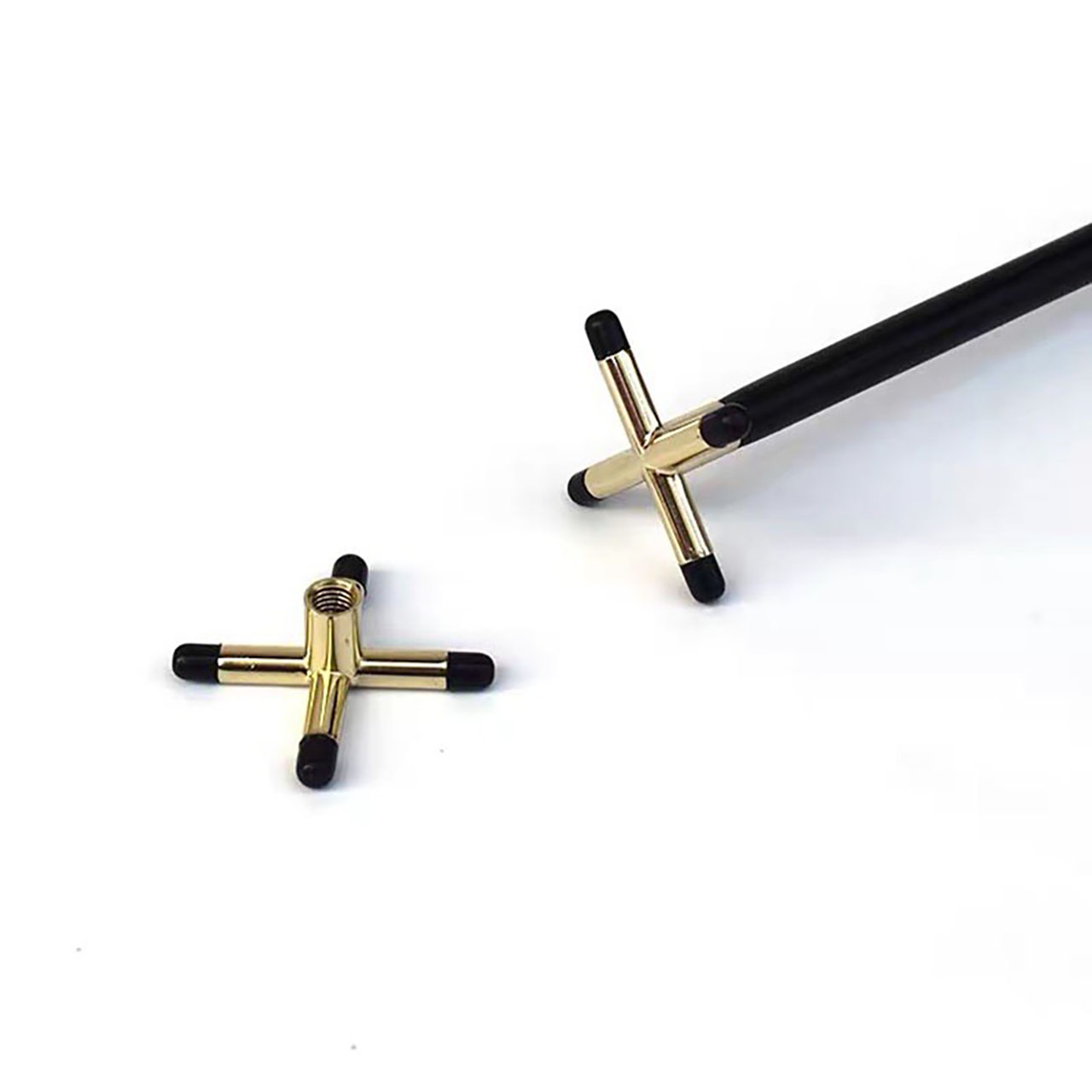
Metal Bridge Head Billiards Snooker Pool Cue Rest Stick Frame Pole Rack
Send the product name to LUX98 for a fast quote and club setup advice in Phnom Penh.
Yes. LUX98 supports billiard table delivery, installation and setup consulting in Phnom Penh and other Cambodia locations by quote.
Yes. Contact LUX98 by phone, WhatsApp or Telegram to request price, warranty, delivery and installation details.
Dưới đây là phiên bản tiếng Anh hoàn chỉnh theo cấu trúc Luxury SEO Product Page, đồng bộ với các trang sản phẩm trước và không gán thêm thông số chưa được LET Cue công bố chính thức.
LET CUE CROSS TIP
Premium Laminated Leather Pool Cue Tip for Spin Control, Chalk Grip, Stable Energy Transfer, and Consistent Playing Performance
LET CUE CROSS TIP is a premium Pool cue tip developed by LET Cue for players seeking a reliable balance of cue-ball control, chalk retention, spin generation, impact stability, and long-term shape consistency.
Designed with a laminated leather construction, the Cross Tip is intended to provide a firm and controlled contact between the cue shaft and cue ball.
Its multi-layer structure helps support:
- Stable cue-ball contact
- Reliable chalk grip
- Controlled spin generation
- Consistent energy transfer
- Good shape retention
- Reduced premature deformation
- Predictable playing feel
- Long-term practice and competition use
The cue tip is suitable for recreational players, advanced amateurs, competitive players, billiard clubs, cue-repair technicians, and training centers looking for a practical performance upgrade for Pool cues.
Depending on the production version or regional distributor, LET Cue Cross Tip may be available in different:
- Diameters
- Hardness grades
- Packaging configurations
- Product markings
- Installation formats
Because LET Cue has not publicly released a complete universal specification sheet for every Cross Tip version, exact size, hardness, leather structure, and manufacturing details should be confirmed before purchase.
Key Features
- Premium LET Cue Product
- Designed for Pool Cues
- Laminated Leather Construction
- Multi-Layer Tip Structure
- Glue-On Installation
- Strong Chalk Retention
- Reliable Cue-Ball Grip
- Supports Side Spin and English
- Stable Energy Transfer
- Consistent Impact Response
- Good Shape Retention
- Reduced Premature Mushrooming
- Suitable for Technical Shot Making
- Suitable for Position Play
- Suitable for Daily Training
- Suitable for Competitive Play
- Commonly Referenced in 13 mm and 14 mm Versions
- Soft, Medium, or Hard Options May Be Available
- Professional Installation Recommended
- Suitable for Cue Repair and Upgrade Services
Product Overview
A cue tip is the only part of the cue that makes direct contact with the cue ball.
Its quality can significantly influence:
- Cue-ball grip
- Spin generation
- Shot feedback
- Energy transfer
- Accuracy
- Positional control
- Miscue resistance
- Overall playing confidence
LET CUE CROSS TIP is designed to create a stable and responsive contact point for Pool players.
Its laminated leather structure combines multiple layers of processed leather to help maintain a more consistent playing character than many basic single-layer tips.
This construction makes it suitable for players who want a dependable balance between:
- Control
- Power
- Spin
- Durability
- Shape stability
- Chalk retention
About LET Cue
LET Cue develops cue-sport products and accessories for players, cue technicians, clubs, and billiard retailers.
The brand offers equipment intended to support:
- Cue performance
- Cue maintenance
- Player control
- Training
- Competition
- Cue customization
The Cross Tip is positioned as a performance-oriented cue tip for Pool applications.
Exact manufacturer specifications may differ depending on production version and market distribution.
Laminated Leather Construction
The Cross Tip uses a laminated leather structure.
Instead of being made from one thick piece of leather, a laminated tip is constructed from several thinner leather layers bonded together.
This structure helps improve:
- Density consistency
- Shape retention
- Impact stability
- Controlled compression
- Predictable playing feel
- Long-term durability
What Is a Laminated Cue Tip?
A laminated cue tip is manufactured by bonding multiple thin layers of leather into a single compact tip.
Compared with many traditional single-layer tips, laminated tips may provide:
- More consistent hardness
- Better shape retention
- Reduced uneven compression
- Stable cue-ball contact
- Reliable chalk retention
- More predictable performance
The final playing characteristics depend on leather quality, bonding method, hardness, installation, and maintenance.
Multi-Layer Tip Technology
The multi-layer design helps distribute impact pressure through several bonded leather sections.
This may help reduce:
- Sudden flattening
- Uneven compression
- Rapid shape loss
- Irregular impact feel
- Premature mushrooming
A properly installed Cross Tip can maintain a consistent profile over extended use.
Premium Leather Playing Surface
Leather remains one of the most widely used materials for playing cue tips because it provides a balance of:
- Friction
- Flexibility
- Compression
- Chalk retention
- Cue-ball feel
- Durability
The Cross Tip’s leather surface can be shaped and textured to suit the player’s preferred contact profile.
Excellent Chalk Retention
Chalk retention is essential for reliable cue-ball contact.
A properly prepared Cross Tip is designed to hold billiard chalk effectively across its playing surface.
Good chalk retention supports:
- Better cue-ball grip
- Reduced miscues
- More reliable side spin
- Improved draw shots
- Controlled follow
- Greater confidence on technical shots
The tip should be lightly chalked before each shot.
Why Chalk Grip Matters
Cue chalk increases friction between the cue tip and cue ball.
Without sufficient chalk, the tip may slide across the cue-ball surface, especially during off-center contact.
This may cause:
- Miscues
- Reduced spin
- Poor directional control
- Inaccurate cue-ball response
- Loss of confidence
The leather surface should remain clean, shaped, and lightly textured to maintain chalk adhesion.
Reliable Cue-Ball Grip
The Cross Tip is designed to support controlled contact with the cue ball.
Reliable grip is especially important for:
- Draw shots
- Follow shots
- Stun shots
- Side-spin shots
- Cushion-first shots
- Position routes
- Safety play
Cue-ball grip also depends on chalk quality, tip condition, stroke accuracy, and ball cleanliness.
Spin Generation
The Cross Tip supports the application of English and other cue-ball spin techniques.
Players may use it for:
- Left English
- Right English
- Draw
- Follow
- Stun
- Drag shots
- Running side
- Check side
- Multi-rail position
The selected hardness grade may influence how the tip feels during spin shots.
Controlled Draw Performance
A properly installed and shaped Cross Tip can support controlled draw shots.
Effective draw depends on:
- Tip grip
- Chalk coverage
- Cue acceleration
- Contact point
- Stroke timing
- Cloth condition
- Cue-ball cleanliness
A cue tip does not create draw automatically, but a stable contact surface helps the player transfer technique more consistently.
Controlled Follow Performance
The Cross Tip also supports follow shots and natural roll.
A consistent tip surface helps players judge:
- Follow distance
- Cue-ball acceleration
- Positional routes
- Cushion approach
- Speed control
Stable Stun Response
Stun shots require precise cue-ball contact and speed.
The laminated structure helps provide a repeatable impact feel for:
- Stop shots
- Stun follow
- Stun draw
- Angle control
- Short position routes
Consistent Energy Transfer
LET CUE CROSS TIP is designed to transfer energy from the cue shaft to the cue ball in a stable and predictable manner.
Consistent energy transfer helps support:
- Reliable shot power
- Accurate speed control
- Stable cue-ball response
- Predictable position play
- Consistent impact feel
Energy transfer also depends on the shaft, ferrule, cue balance, stroke, and tip installation.
Impact Stability
A quality cue tip should remain stable during repeated impacts.
The multi-layer structure helps support:
- Controlled compression
- Reduced lateral movement
- Consistent contact
- Stable feedback
- Long-term playing performance
Poor installation may reduce these benefits.
Professional Shot Feedback
Cue-tip feedback refers to the sensation transmitted through the cue during contact.
The Cross Tip is intended to provide a stable and connected playing feel.
Depending on hardness, players may experience:
- Softer impact sensation
- Balanced feedback
- Firmer contact
- Faster response
- More direct energy transfer
Personal preference is an important part of tip selection.
Shape Retention
Cue tips gradually flatten under repeated impact.
The laminated construction of the Cross Tip is designed to help maintain its profile.
Good shape retention helps preserve:
- Cue-ball contact area
- Spin consistency
- Chalk coverage
- Impact accuracy
- Playing confidence
Regular inspection is still required.
Reduced Mushrooming
Mushrooming occurs when the sidewall of the tip expands beyond the ferrule diameter.
A laminated structure may help reduce excessive mushrooming compared with some softer single-layer tips.
Mushrooming can also be influenced by:
- Tip hardness
- Installation pressure
- Leather quality
- Playing frequency
- Break-shot power
- Moisture
- Maintenance habits
The sidewall should be professionally trimmed when necessary.
Common Diameter Options
LET Cue Cross Tip may be available in commonly referenced diameters such as:
- 13 mm
- 14 mm
The correct diameter depends on:
- Shaft diameter
- Ferrule diameter
- Installer preference
- Required trimming allowance
The selected tip should normally be slightly larger than the ferrule before installation so it can be trimmed precisely.
13 mm Tip Option
A 13 mm tip may be suitable for many standard Pool cue shafts.
It can be installed on shafts with slightly smaller ferrules and trimmed to the required final diameter.
Compatibility should be checked before installation.
14 mm Tip Option
A 14 mm version may provide additional material for:
- Larger ferrules
- Custom shafts
- Technician trimming
- Flexible installation
The final tip diameter should match the ferrule accurately.
Hardness Options
Cross Tip may be offered in different hardness options depending on product version.
Common hardness categories may include:
- Soft
- Medium
- Hard
Exact labels and availability should be confirmed with the supplier.
Soft Tip Characteristics
A soft tip may provide:
- Softer impact feel
- Greater perceived cue-ball grip
- Comfortable spin response
- Increased compression
- More frequent maintenance
Soft tips may mushroom or flatten faster under heavy use.
Medium Tip Characteristics
A medium tip is often selected by players seeking a balanced combination of:
- Control
- Spin
- Feedback
- Shape retention
- Durability
It may suit a wide range of Pool playing styles.
Hard Tip Characteristics
A hard tip may provide:
- Firmer impact
- Direct energy transfer
- Strong shape retention
- Reduced compression
- Longer maintenance intervals
Some players may perceive less softness during cue-ball contact.
Choosing the Correct Hardness
The best hardness depends on:
- Playing style
- Stroke power
- Cue shaft
- Preferred feedback
- Spin requirements
- Maintenance preference
- Experience level
There is no single hardness suitable for every player.
Suitable for Control-Oriented Players
Players who prioritize cue-ball positioning may benefit from:
- Reliable chalk grip
- Stable contact
- Predictable compression
- Controlled spin response
- Consistent speed feedback
Suitable for Spin-Oriented Players
Players who frequently use side spin, draw, and follow may value:
- Good chalk retention
- Stable tip curvature
- Controlled cue-ball grip
- Repeatable off-center contact
Tip preparation remains important for advanced spin play.
Suitable for Power Players
Players using strong strokes require a tip that can maintain:
- Structural stability
- Shape
- Sidewall integrity
- Consistent impact response
A firmer hardness option may be preferred, depending on individual feel.
Suitable for Technical Pool
The Cross Tip is appropriate for technical Pool disciplines requiring:
- Accurate cue-ball placement
- Controlled safety play
- Spin management
- Breakout shots
- Multi-rail position
- Pattern play
- Speed control
Suitable for 8-Ball
In 8-Ball, the tip supports:
- Precise pattern play
- Controlled cluster development
- Tactical safety shots
- Short-distance positioning
- Draw and follow routes
Suitable for 9-Ball
In 9-Ball, players require reliable cue-ball movement between widely separated balls.
The Cross Tip supports:
- Long positional routes
- Spin-based recovery
- Rail-first position
- Breakout shots
- Safety exchanges
- Controlled power
Suitable for 10-Ball
10-Ball places high demands on shot accuracy and positional control.
A stable cue tip helps support:
- Precise contact
- Controlled spin
- Reliable speed
- Professional shot feedback
- Long-distance position play
Suitable for Straight Pool
Straight Pool requires fine cue-ball positioning and controlled cluster management.
The Cross Tip may support:
- Short position shots
- Controlled break-ball contact
- Delicate draw
- Accurate follow
- Stable stun response
Suitable for One Pocket
One Pocket players may benefit from:
- Delicate speed control
- Spin-based safety play
- Cushion control
- Accurate banking
- Controlled cue-ball movement
Suitable for Recreational Players
Recreational players may choose Cross Tip as an upgrade from a basic factory-installed tip.
Potential benefits include:
- Improved chalk grip
- Better cue-ball control
- More consistent impact
- Increased confidence
- Longer shape retention
Suitable for Advanced Amateur Players
Advanced amateurs require a tip capable of supporting:
- Regular practice
- Competitive matches
- Technical spin
- Consistent feedback
- Stable performance
The laminated construction makes it suitable for structured player development.
Suitable for Professional Players
Professional and high-level players may value:
- Predictable tip response
- Reliable shape
- Controlled compression
- Consistent cue-ball grip
- Stable energy transfer
Final suitability depends on individual preference and exact tip hardness.
Suitable for Billiard Clubs
Billiard clubs may use LET Cue Cross Tip for:
- Customer cue repairs
- House cue upgrades
- Player equipment service
- Retail sales
- Cue-maintenance packages
- Training-center support
Suitable for Cue Repair Technicians
Cue technicians may use the Cross Tip for:
- Tip replacement
- Shaft upgrades
- Custom hardness selection
- Player-specific shaping
- Ferrule matching
- Professional finishing
Correct installation is essential.
Glue-On Installation
LET Cue Cross Tip uses a glue-on installation method.
The tip is bonded directly to the ferrule or tip pad using a suitable cue-tip adhesive.
Professional installation is recommended to achieve:
- Strong adhesion
- Correct alignment
- Flat bonding
- Accurate diameter
- Clean sidewall finishing
- Correct playing profile
Professional Installation Procedure
A typical professional installation may include:
- Remove the old tip carefully.
- Clean the ferrule surface.
- Flatten the ferrule contact area.
- Prepare the base of the new tip.
- Apply suitable adhesive.
- Center the tip precisely.
- Apply controlled pressure.
- Allow the adhesive to cure.
- Trim the sidewall.
- Shape the crown.
- Burnish the sides.
- Texture the playing surface.
- Apply chalk.
- Inspect alignment and finish.
Installation methods vary by technician and adhesive type.
Ferrule Preparation
The ferrule surface should be:
- Flat
- Clean
- Dry
- Free from old glue
- Free from oil
- Free from loose material
An uneven ferrule surface may cause weak adhesion or misalignment.
Tip Base Preparation
The bonding surface of the tip may require light sanding to create a clean and flat base.
The installer should avoid:
- Excessive sanding
- Uneven pressure
- Damaging the bottom layer
- Contaminating the surface
- Rounding the base
Adhesive Selection
A cue-tip adhesive should provide:
- Strong bonding
- Controlled curing
- Resistance to impact
- Minimal brittleness
- Compatibility with leather and ferrule material
The correct adhesive depends on technician preference and ferrule construction.
Tip Alignment
The cue tip should be centered accurately over the ferrule.
Poor alignment may cause:
- Uneven sidewall thickness
- Irregular contact
- Poor appearance
- Uneven compression
- Reduced durability
Curing Time
The adhesive should be allowed to cure according to its instructions.
Playing too soon may weaken the bond and cause:
- Tip separation
- Movement
- Misalignment
- Glue failure
Sidewall Trimming
After installation, the tip should be trimmed to match the ferrule diameter.
The technician should avoid:
- Cutting into the ferrule
- Overheating the leather
- Creating uneven sides
- Removing excessive material
Tip Shaping
The crown of the tip should be shaped according to player preference.
Common profiles include:
- Nickel radius
- Dime radius
- Custom curvature
The selected radius affects the contact area and chalk distribution.
Nickel Radius
A nickel-style radius provides a slightly flatter tip profile.
Potential characteristics include:
- Larger contact area
- Stable general play
- Easy maintenance
- Comfortable response
Dime Radius
A dime-style radius creates a more rounded profile.
Potential characteristics include:
- Smaller contact area
- Precise off-center contact
- Strong spin potential
- More frequent shape inspection
Tip Surface Texturing
The playing surface should be lightly textured so chalk can adhere.
The tip should not be:
- Polished smooth
- Deeply cut
- Torn
- Over-scuffed
- Unevenly scratched
Aggressive scuffing may damage the laminated layers.
Sidewall Burnishing
Burnishing helps create a smooth and compact sidewall.
Benefits may include:
- Cleaner appearance
- Reduced moisture absorption
- Better sidewall stability
- Less visible mushrooming
- Professional finish
The playing surface should not be burnished smooth.
Chalk Application
Chalk should be applied gently and evenly.
Recommended practice includes:
- Use light circular or brushing movements.
- Cover the complete playing surface.
- Avoid drilling the chalk into the tip.
- Reapply before technical spin shots.
- Keep the chalk clean.
Avoid Excessive Scuffing
Over-scuffing may:
- Damage the top leather layer
- Create uneven contact
- Shorten tip life
- Weaken laminated edges
- Increase moisture absorption
Only light maintenance should be performed when chalk retention decreases.
Shape Maintenance
Inspect the cue tip regularly for:
- Flattening
- Mushrooming
- Glazing
- Layer separation
- Cracks
- Uneven wear
- Loose bonding
Small maintenance corrections are preferable to aggressive reshaping.
Glazing
Glazing occurs when the tip surface becomes smooth and polished.
A glazed tip may:
- Hold less chalk
- Increase miscue risk
- Reduce spin consistency
- Feel slippery during contact
Light texturing can restore chalk grip.
Mushrooming Maintenance
If the tip expands beyond the ferrule, a technician may trim and burnish the sidewall.
Do not remove material from the ferrule.
Layer Separation
A laminated tip should be replaced if the layers begin to separate.
Warning signs include:
- Visible gaps
- Loose edges
- Unusual clicking
- Irregular compression
- Unstable feel
Layer separation should not be repaired with surface glue alone.
Moisture Protection
Leather cue tips may absorb moisture.
Excessive moisture may affect:
- Hardness
- Shape
- Adhesion
- Layer stability
- Playing feel
The cue should be stored in a dry and stable environment.
Heat Protection
The tip should be protected from:
- Direct sunlight
- High-temperature vehicles
- Heaters
- Excessive installation heat
- Open flames
Heat can affect leather and adhesive.
Cue Storage
Store the cue:
- In a protective case
- Away from moisture
- Away from direct heat
- In a stable indoor environment
- Without pressure on the tip
A cue case helps protect both the shaft and tip.
Cleaning the Cue Tip
The tip should not be cleaned with:
- Water
- Alcohol
- Harsh chemicals
- Oil
- Furniture polish
Dry maintenance tools designed for cue tips are recommended.
Tip Replacement Signs
The Cross Tip may require replacement when:
- It becomes too thin.
- The layers separate.
- The sidewall cracks.
- Chalk no longer adheres.
- The tip repeatedly mushrooms.
- The impact feel becomes inconsistent.
- The tip becomes excessively hard or glazed.
- Adhesion begins to fail.
A technician should inspect the tip if performance changes suddenly.
Tip Thickness and Safety
A cue tip should not be used after it becomes excessively thin.
A thin tip may increase the risk of:
- Ferrule damage
- Hard impact
- Reduced compression
- Poor chalk retention
- Inconsistent play
Replacement should occur before the leather is worn down completely.
Benefits for Players
Players may benefit from:
- Better chalk retention
- Improved cue-ball grip
- Consistent spin response
- Stable energy transfer
- Reliable impact feedback
- Strong shape retention
- Reduced premature deformation
- Professional cue performance
Benefits for Billiard Clubs
Clubs may benefit from:
- Practical cue upgrade options
- Repair-service opportunities
- Improved house-cue performance
- Retail accessory sales
- Customer equipment support
- Professional maintenance services
Benefits for Training Centers
Training centers may benefit from:
- Stable player equipment
- Consistent feedback
- Reliable cue-ball control
- Reduced equipment variation
- Better technical training
- Professional cue maintenance
Benefits for Cue Technicians
Cue technicians may benefit from:
- Laminated construction
- Multiple possible hardness grades
- Common installation diameters
- Easy shaping and finishing
- Pool-cue compatibility
- Professional upgrade potential
Why Choose LET CUE CROSS TIP?
Main Advantages
- Premium LET Cue accessory
- Designed for Pool cues
- Laminated leather construction
- Multi-layer structure
- Strong chalk retention
- Reliable cue-ball grip
- Supports English and spin
- Stable energy transfer
- Predictable impact response
- Good shape retention
- Reduced premature mushrooming
- Suitable for control shots
- Suitable for power shots
- Suitable for recreational players
- Suitable for competitive players
- Suitable for cue repair technicians
- Common 13 mm and 14 mm versions
- Different hardness options may be available
- Glue-on installation
- Strong long-term playing value
LET CUE CROSS TIP is a practical upgrade for players who want reliable control, stable feedback, and durable laminated-leather performance.
Soft vs. Medium vs. Hard Cue Tips
| Feature | Soft | Medium | Hard |
|---|---|---|---|
| Impact Feel | Soft and Cushioned | Balanced | Firm and Direct |
| Compression | Higher | Moderate | Lower |
| Perceived Grip | High | Balanced | Controlled |
| Shape Retention | Moderate | Good | Excellent |
| Maintenance | More Frequent | Moderate | Less Frequent |
| Typical User | Control and Feel Players | All-Round Players | Power and Firm-Feel Players |
Actual performance depends on the exact Cross Tip version and installation.
Laminated Tip vs. Single-Layer Tip
| Feature | Laminated Cross Tip | Single-Layer Tip |
|---|---|---|
| Construction | Multiple Bonded Layers | One Piece of Leather |
| Hardness Consistency | Generally More Uniform | May Vary |
| Shape Retention | Strong | Product Dependent |
| Compression | Controlled | May Change Faster |
| Mushrooming | Often Reduced | May Be More Noticeable |
| Playing Consistency | Stable | Quality Dependent |
LET Cross Tip vs. Basic Factory Tip
| Feature | LET Cross Tip | Basic Factory Tip |
|---|---|---|
| Construction | Laminated Leather | Often Single-Layer or Unspecified |
| Chalk Retention | Designed for Strong Grip | Variable |
| Shape Stability | Good | Variable |
| Spin Support | Professional | Basic |
| Hardness Options | May Be Available | Often Limited |
| Intended Use | Training and Competition | General Recreation |
13 mm vs. 14 mm Cue Tip
| Feature | 13 mm | 14 mm |
|---|---|---|
| Typical Application | Standard Pool Shafts | Larger Ferrules or Extra Trimming |
| Trimming Allowance | Moderate | Greater |
| Final Size | Technician Adjusted | Technician Adjusted |
| Compatibility | Shaft Dependent | Shaft Dependent |
The final diameter must match the ferrule.
Nickel Radius vs. Dime Radius
| Feature | Nickel Radius | Dime Radius |
|---|---|---|
| Profile | Slightly Flatter | More Rounded |
| Contact Area | Larger | Smaller |
| General Control | Stable | Precise |
| Spin Application | Strong | Potentially More Focused |
| Maintenance | Easier | May Require More Frequent Shaping |
New Tip vs. Worn Tip
| Feature | New Cross Tip | Heavily Worn Tip |
|---|---|---|
| Shape | Correctly Rounded | Flat or Uneven |
| Chalk Grip | Strong | Reduced |
| Impact Feel | Stable | Inconsistent |
| Spin Response | Predictable | Variable |
| Sidewall | Clean | Mushroomed or Cracked |
| Safety | Proper Thickness | Possible Ferrule Risk |
Professionally Installed vs. Poorly Installed Tip
| Feature | Professional Installation | Poor Installation |
|---|---|---|
| Alignment | Centered | Uneven |
| Bond | Strong | Weak |
| Sidewall | Clean | Irregular |
| Shape | Consistent | Uneven |
| Performance | Stable | Unpredictable |
| Durability | Higher | Reduced |
Suggested Maintenance Schedule
| Frequency | Recommended Task |
|---|---|
| Before Play | Inspect Surface and Apply Chalk |
| Weekly | Check Shape, Glazing, and Sidewall |
| Monthly | Inspect Mushrooming and Tip Height |
| As Required | Lightly Texture the Surface |
| Periodically | Professional Shaping and Burnishing |
| At Visible Damage | Replace the Tip |
Maintenance frequency depends on playing volume and hardness.
Installation Checklist
Before installation, confirm:
- Product: LET Cue Cross Tip
- Correct diameter
- Preferred hardness
- Shaft-tip diameter
- Ferrule condition
- Tip base condition
- Suitable adhesive
- Installer experience
- Preferred crown radius
- Required curing time
Do not install the tip if the leather layers appear damaged or separated.
Authenticity Inspection
When purchasing LET Cue Cross Tip, inspect:
- LET Cue branding
- Cross Tip labeling
- Product packaging
- Diameter marking
- Hardness marking
- Leather-layer consistency
- Tip shape
- Distributor documentation
- Purchase invoice
Packaging may vary according to distributor and market.
Product Specifications
| Item | Specification |
|---|---|
| Product Name | LET CUE CROSS TIP |
| Brand | LET Cue |
| Product Type | Pool Cue Tip |
| Main Application | Pool Cue Shafts |
| Construction | Laminated Leather |
| Layer Structure | Multi-Layer |
| Installation Type | Glue-On |
| Common Diameters | 13 mm and 14 mm, Depending on Version |
| Hardness Options | Soft, Medium, or Hard, Depending on Version |
| Main Performance | Chalk Grip, Spin Control, Energy Transfer, and Shape Stability |
| Installation | Professional Installation Recommended |
| Target Users | Recreational Players, Advanced Amateurs, Professional Players, Clubs, Training Centers, and Cue Technicians |
Frequently Asked Questions
What is LET CUE CROSS TIP?
It is a laminated leather Pool cue tip developed by LET Cue.
What type of cue is it designed for?
It is primarily intended for Pool cues.
What material is used?
It is described as a laminated leather tip.
What does laminated leather mean?
It means the tip is constructed from several thin leather layers bonded together.
Is it a single-layer tip?
No. It is described as a multi-layer laminated tip.
What diameters are available?
Commonly referenced sizes include 13 mm and 14 mm, depending on the version.
Is 13 mm suitable for Pool cues?
Yes, provided it is compatible with the shaft and ferrule diameter.
Why would a player choose a 14 mm tip?
A 14 mm tip may provide extra trimming allowance or suit a larger ferrule.
What hardness grades are available?
Soft, Medium, and Hard versions may be available depending on the market.
Has LET Cue officially confirmed every hardness option?
A complete universal specification has not been publicly released, so current availability should be confirmed.
Which hardness is best?
The best hardness depends on playing style, preferred feedback, power, spin requirements, and maintenance preference.
Is a soft tip better for spin?
Some players perceive greater grip from a soft tip, but spin depends strongly on stroke technique, chalk, and tip shape.
Is a hard tip better for power?
A hard tip may provide firmer contact and direct energy transfer, but personal preference remains important.
Is Medium suitable for most players?
Medium is commonly chosen by players seeking balanced control, durability, and feedback.
Does the Cross Tip hold chalk well?
It is designed to provide good chalk retention when properly shaped and maintained.
Does it help generate side spin?
Yes. Its leather playing surface supports English and other spin techniques.
Does it prevent miscues?
Good chalk grip and correct maintenance may reduce miscue risk, but no tip can eliminate miscues caused by poor contact or technique.
Does it transfer power effectively?
It is designed for stable energy transfer from the cue to the cue ball.
Does it maintain its shape?
The laminated structure is intended to provide good shape retention.
Does it mushroom?
Any leather tip may mushroom, especially soft tips, but laminated construction may help reduce excessive deformation.
Is it suitable for professional players?
Yes, depending on the player’s preferred hardness and feel.
Is it suitable for beginners?
Yes. It may provide a reliable upgrade from a basic factory tip.
Can it be used for 8-Ball?
Yes.
Can it be used for 9-Ball?
Yes.
Can it be used for 10-Ball?
Yes.
Can it be used for One Pocket?
Yes.
Can it be used for Straight Pool?
Yes.
Can it be installed on a break cue?
It is primarily described as a playing tip. Break-cue compatibility should be confirmed before installation.
Can it be installed on a jump cue?
A dedicated jump tip is generally preferred. Compatibility should be confirmed with the cue manufacturer.
Can it be used for Carom cues?
It is primarily intended for Pool. Carom compatibility should be confirmed based on shaft diameter and player preference.
Can it be used for Snooker cues?
Snooker cues commonly use smaller tip diameters, so the 13 mm or 14 mm Cross Tip may not be suitable without substantial modification.
Is it a screw-on tip?
No. It is a glue-on tip.
Is professional installation necessary?
Professional installation is strongly recommended.
What glue should be used?
A cue-tip adhesive compatible with leather and the ferrule material should be used.
How long should the glue cure?
Curing time depends on the adhesive. The adhesive manufacturer’s instructions should be followed.
Should the tip be larger than the ferrule?
A slightly larger tip is commonly used so it can be trimmed precisely to the ferrule diameter.
Can I install it myself?
It is possible with the correct tools and experience, but poor installation can damage the ferrule or reduce performance.
What shape should the tip have?
Nickel, dime, or a custom radius may be used according to player preference.
How should the surface be maintained?
Use light texturing only when the tip becomes glazed or stops holding chalk effectively.
Can the tip be sanded?
Yes, but only carefully and minimally. Excessive sanding may damage the leather layers.
Can the sidewall be burnished?
Yes. Professional burnishing can improve appearance and sidewall stability.
How often should the tip be shaped?
Only when the curvature becomes flat or uneven.
What is glazing?
Glazing occurs when the playing surface becomes smooth and no longer holds chalk well.
How can glazing be corrected?
Lightly texture the surface using a proper cue-tip tool.
Should the tip be soaked in water?
No. Moisture may affect the leather and adhesive.
Can alcohol be used to clean it?
No. Alcohol and other chemicals may dry or damage the leather.
How long does a Cross Tip last?
Service life depends on hardness, playing volume, stroke power, maintenance, installation, and storage conditions.
When should the tip be replaced?
Replace it when it becomes too thin, cracked, separated, loose, or unable to retain chalk.
What happens if the tip becomes too thin?
A very thin tip may reduce control and increase the risk of ferrule damage.
How can I identify a genuine LET Cross Tip?
Check official branding, packaging, hardness or diameter markings, leather-layer consistency, and supplier documentation.
Important Specification Notice
LET Cue has not publicly released a complete universal technical specification sheet covering every version of LET CUE CROSS TIP.
The following details should be confirmed before purchase, installation, or website publication:
- Exact product version
- Exact diameter
- Hardness grade
- Number of leather layers
- Leather origin
- Leather treatment
- Tip height
- Tip weight
- Density
- Compression rating
- Color
- Packaging quantity
- Manufacturing origin
- Recommended adhesive
- Recommended curing time
- Break-cue compatibility
- Jump-cue compatibility
- Carom-cue compatibility
- Snooker-cue compatibility
- Warranty conditions
- Current product labeling
Commonly referenced information includes:
- Laminated leather construction
- Glue-on installation
- Pool cue application
- 13 mm or 14 mm diameter options
- Soft, Medium, or Hard versions
However, these details may differ depending on production version, distributor, and regional market.
No unpublished technical value should be presented as an official LET Cue specification without confirmation for the exact Cross Tip product.
Request the Latest Quotation
Contact LUX98 today to receive:
- Latest LET Cue Cross Tip price
- Current stock availability
- Exact product photographs
- Genuine-product verification
- 13 mm availability
- 14 mm availability
- Soft hardness availability
- Medium hardness availability
- Hard hardness availability
- Packaging quantity
- Current product labeling
- Shaft compatibility consultation
- Ferrule compatibility consultation
- Professional tip installation
- Tip shaping service
- Sidewall trimming
- Sidewall burnishing
- Cue maintenance service
- Player hardness consultation
- Club wholesale pricing
- Cue-repair technician pricing
- Bulk-order quotation
- Delivery information
- Maintenance guidance
- Warranty information
- Professional after-sales support
Hotline: +855 88 889 9678
LUX98 – Professional Supplier of LET Cue Cross Tip, Premium Laminated Leather Pool Cue Tips, Cue Repair Components, Professional Tip Installation Services, Cue Maintenance Accessories, and High-End Billiard Equipment in Cambodia.
Related products
Accessories
Accessories
Accessories
Accessories
Accessories
Accessories
Accessories