
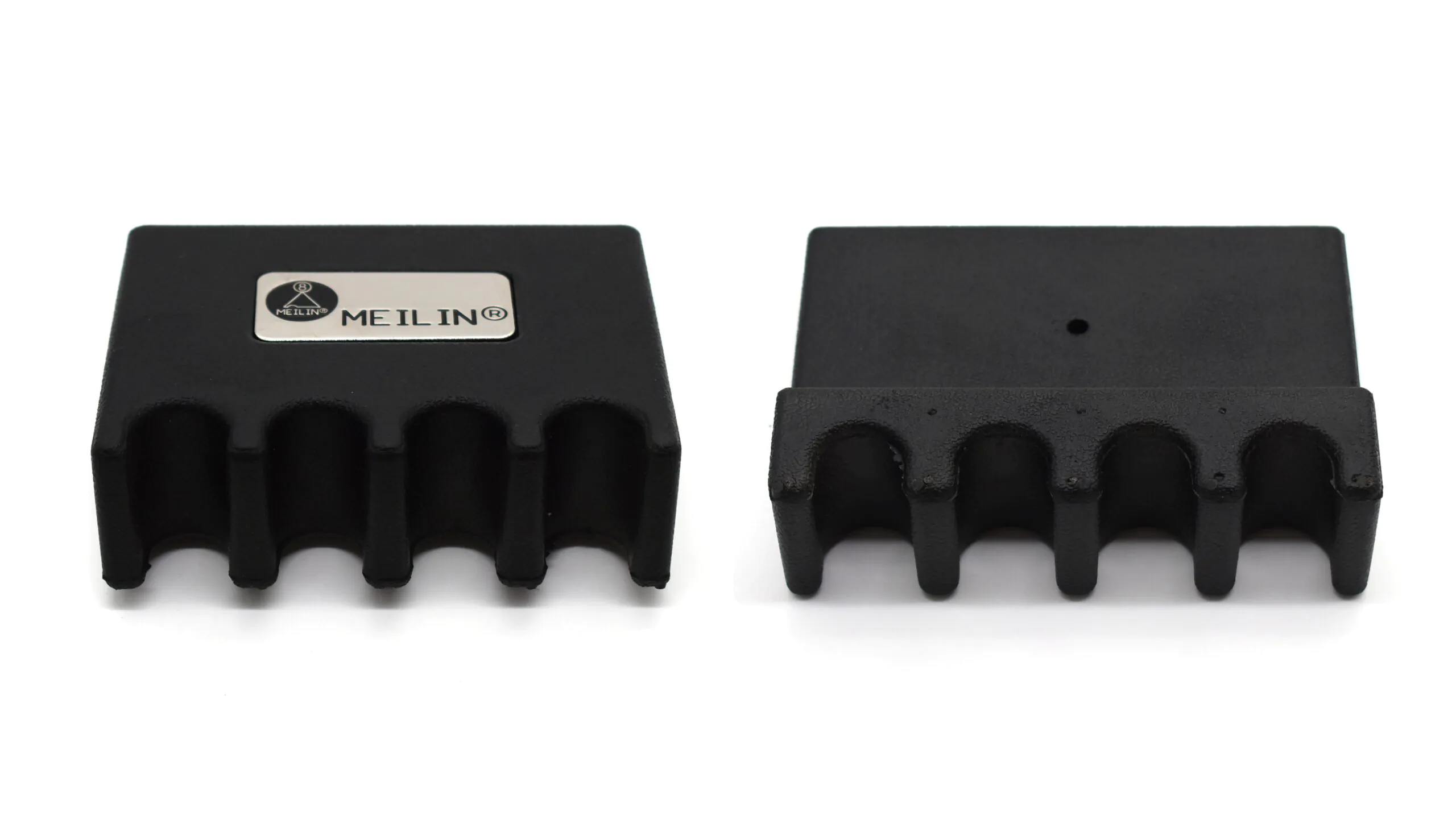
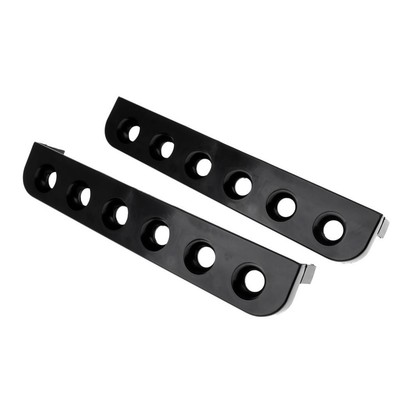
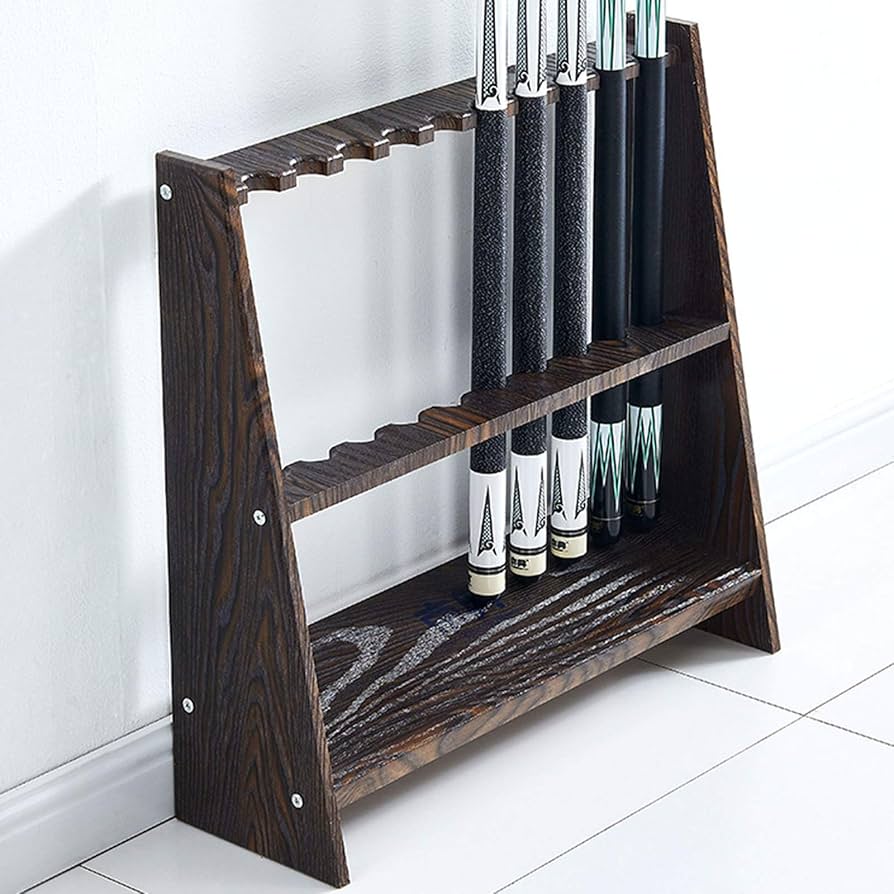
Pool Cue Holder Snooker Cue Rack Vertical Freestanding Billiard Cue Rack
Send the product name to LUX98 for a fast quote and club setup advice in Phnom Penh.
Yes. LUX98 supports billiard table delivery, installation and setup consulting in Phnom Penh and other Cambodia locations by quote.
Yes. Contact LUX98 by phone, WhatsApp or Telegram to request price, warranty, delivery and installation details.
Dưới đây là phiên bản tiếng Anh hoàn chỉnh theo cấu trúc Luxury SEO Product Page, đồng bộ với các trang phụ kiện bida trước. Nội dung được viết theo hướng tổng quát vì Vertical Cue Rack có nhiều kiểu dáng, vật liệu và sức chứa khác nhau tùy nhà sản xuất.
VERTICAL CUE RACK
Premium Floor-Standing Billiard Cue Storage Rack for Pool, Snooker, Carom, Chinese Pool, Commercial Clubs, and Home Game Rooms
VERTICAL CUE RACK is a premium floor-standing billiard cue storage system designed to organize, protect, and display cues in a clean, safe, and professional manner.
Unlike wall-mounted cue holders, a vertical cue rack stands directly on the floor and normally requires no permanent wall installation. Its upright design allows several cues to be stored within a compact footprint, making it suitable for commercial billiard clubs, training centers, tournament areas, showrooms, hotels, entertainment rooms, and private homes.
Depending on the model, Vertical Cue Racks may be manufactured from:
- Solid wood
- Engineered wood
- MDF with wood veneer
- Metal
- Composite materials
- Mixed wood-and-metal construction
Common storage capacities include:
- 4 cues
- 6 cues
- 8 cues
- 10 cues
- Other model-specific capacities
The rack supports cues in an upright position while helping reduce unnecessary contact with walls, furniture, floors, and other equipment.
Selected models may also include integrated storage for:
- Billiard balls
- Chalk
- Brushes
- Ball triangles
- Cue accessories
- Scorekeeping equipment
- Table-maintenance tools
Vertical Cue Racks are suitable for:
- Pool cues
- Snooker cues
- Carom cues
- Chinese Pool cues
- Break cues
- House cues
- Personal playing cues
- Training cues
Because these products are available from many manufacturers, exact material, dimensions, capacity, finish, included accessories, and cue compatibility should always be confirmed for the selected model.
Key Features
- Premium Floor-Standing Cue Rack
- Vertical Cue Storage Design
- No Permanent Wall Mounting Required
- Stable Wide-Base Construction
- Space-Saving Organization
- Professional Cue Display
- Protective Cue Storage
- Multiple Cue Capacities
- Common 4-Cue Configuration
- Common 6-Cue Configuration
- Common 8-Cue Configuration
- Common 10-Cue Configuration
- Solid Wood Options
- MDF and Veneer Options
- Metal Options
- Multiple Finish Choices
- Suitable for Pool Cues
- Suitable for Snooker Cues
- Suitable for Carom Cues
- Suitable for Chinese Pool Cues
- Suitable for Commercial Clubs
- Suitable for Training Centers
- Suitable for Tournament Areas
- Suitable for Showrooms
- Suitable for Home Game Rooms
- Easy Cue Access
- Professional Interior Appearance
- Accessory Storage Available on Selected Models
Product Overview
Billiard cues are precision sporting instruments that should be stored correctly when not in use.
Improper storage may expose cues to:
- Accidental falls
- Shaft dents
- Butt damage
- Finish scratches
- Tip contamination
- Ferrule impacts
- Moisture
- Floor dirt
- Player collisions
- Side pressure
- Long-term deformation
A Vertical Cue Rack provides individual positions for each cue, helping keep equipment separated, upright, visible, and easy to access.
Its freestanding structure is especially useful in locations where wall drilling is not possible or where equipment may need to be repositioned.
Floor-Standing Design
The defining characteristic of a Vertical Cue Rack is its floor-standing construction.
Unlike a wall rack, it can usually be positioned wherever suitable floor space is available.
Common placement locations include:
- Beside a billiard table
- Near a club reception area
- Inside a private game room
- Against an interior wall
- In a training area
- Near a player waiting zone
- Inside a billiard showroom
Benefits of a Floor-Standing Rack
A floor-standing cue rack provides several practical benefits:
- No drilling into walls
- Easy repositioning
- Flexible room layout
- Compact cue storage
- Professional display
- Convenient player access
- Suitable for rented locations
- Suitable for temporary installations
Some larger racks may require assembly.
Stable Wide-Base Construction
A quality Vertical Cue Rack uses a stable base to help maintain balance.
The base may be:
- Round
- Square
- Rectangular
- Cross-shaped
- Cabinet-style
- Weighted
A wide base helps distribute the load of the cues and reduces the risk of tipping during normal use.
Why Base Stability Matters
A poorly balanced rack may move or tip when:
- A cue is removed quickly.
- Several cues are placed on one side.
- The rack is bumped.
- The floor is uneven.
- The rack is overloaded.
- Children pull on it.
The rack should always be placed on a flat and stable surface.
Protective Cue Storage
The rack is designed to hold cues without allowing them to fall against walls, tables, or furniture.
Proper storage helps protect:
- Shafts
- Ferrules
- Cue tips
- Butts
- Bumpers
- Wraps
- Decorative inlays
- Painted finishes
- Clear coatings
Cue-contact areas should be smooth and clean.
Vertical Cue Positioning
Most models store the cue in a near-vertical position.
The lower section commonly supports the cue butt, while the upper section helps guide or separate the shaft.
This arrangement helps keep cues:
- Upright
- Separated
- Visible
- Easy to remove
- Easy to return
- Away from walking areas
Cue-Warping Considerations
Vertical storage is commonly used for billiard cues, but no rack can guarantee complete protection from warping.
Cue condition is also affected by:
- Heat
- Humidity
- Direct sunlight
- Wood quality
- Long-term side pressure
- Improper transportation
- Poor cue construction
The cue should be stored naturally without being bent or tightly forced into a slot.
Space-Saving Organization
A Vertical Cue Rack stores several cues within a relatively small floor area.
This helps reduce:
- Wall clutter
- Floor clutter
- Loose cues
- Equipment collisions
- Disorganized player areas
The upright arrangement is practical for clubs with limited available space.
Easy Cue Access
Players can quickly identify and retrieve their cues from an open vertical rack.
This is useful during:
- Daily club operation
- Practice sessions
- Coaching
- Tournaments
- League matches
- Retail demonstrations
Each cue should have sufficient separation to prevent contact with neighboring cues.
Professional Cue Display
A freestanding rack is not only functional but also decorative.
It may be used to display:
- Premium playing cues
- House cues
- Club equipment
- Retail products
- Personal collections
- Tournament cues
A well-finished rack can become part of the room’s interior design.
Solid Wood Construction
Selected premium Vertical Cue Racks are manufactured from solid wood.
Solid wood may provide:
- Strong structure
- Natural appearance
- Premium texture
- Long service life
- Traditional billiard-room styling
- Repairable surfaces
Wood type and quality vary by manufacturer.
Engineered Wood Construction
Some models use engineered wood for stable and economical production.
Engineered wood may include:
- MDF
- Plywood
- Particleboard
- Composite panels
These materials are often finished with veneer, laminate, paint, or protective coating.
MDF with Veneer
MDF with decorative veneer offers:
- Smooth surfaces
- Consistent shape
- Multiple finish options
- Affordable premium appearance
- Easy production
- Good indoor performance
MDF should be protected from excessive moisture.
Metal Construction
Metal Vertical Cue Racks may provide:
- Modern styling
- Strong structural support
- Slim profiles
- Commercial durability
- Easy cleaning
Metal contact points should be padded or shaped to avoid scratching cues.
Mixed-Material Construction
Some racks combine:
- Wood and metal
- MDF and plastic
- Metal and rubber
- Veneer and composite materials
Mixed-material construction allows manufacturers to balance appearance, cost, durability, and weight.
Common Color and Finish Options
Available finishes may include:
- Black
- Walnut
- Mahogany
- Oak
- Espresso
- Natural Wood
- Cherry
- Grey
- White
- Metallic finishes
Color availability depends on the model and supplier.
Black Finish
Black offers a clean and modern appearance suitable for:
- Contemporary billiard clubs
- Luxury game rooms
- Tournament venues
- Minimalist interiors
- Commercial entertainment spaces
Walnut Finish
Walnut provides a warm and premium appearance.
It complements:
- Traditional interiors
- Luxury clubs
- Wood billiard tables
- Private game rooms
- Hotel recreation spaces
Mahogany Finish
Mahogany-style finishes create a classic billiard-room appearance.
They are suitable for:
- Traditional clubs
- Heritage interiors
- Private collections
- Premium lounges
- Decorative showrooms
Oak Finish
Oak-style finishes create a natural and versatile appearance.
They may complement:
- Modern homes
- Light-colored interiors
- Natural wood tables
- Training facilities
- Family game rooms
Multiple Cue Capacities
Vertical Cue Racks are available with different storage capacities.
Common options include:
- 4 cues
- 6 cues
- 8 cues
- 10 cues
Larger specialty models may store additional cues.
4-Cue Vertical Rack
A 4-cue rack is suitable for:
- Individual players
- Couples
- Small private rooms
- Compact game areas
- Small cue collections
Its footprint is usually minimal.
6-Cue Vertical Rack
A 6-cue rack offers practical storage for:
- Home game rooms
- Small clubs
- Coaching areas
- Family entertainment spaces
- Personal cue collections
8-Cue Vertical Rack
An 8-cue floor rack is a popular option for:
- Commercial billiard clubs
- Training centers
- League areas
- Hotels
- Medium-sized game rooms
- Equipment displays
It provides useful capacity without requiring a large cabinet.
10-Cue Vertical Rack
A 10-cue model is suitable for:
- Busy clubs
- Training academies
- Large private collections
- Showrooms
- Multi-player areas
- House-cue storage
The rack should have a sufficiently stable base for the higher capacity.
Cue Slot Design
Cue slots or openings may be shaped as:
- Circular holes
- Open U-shaped slots
- Rubber-lined clips
- Molded dividers
- Padded channels
Each design provides a different balance of access and support.
Rounded Cue Openings
Rounded openings help reduce sharp contact with shafts.
They may provide:
- Easier insertion
- Better cue separation
- Reduced scratching
- Cleaner appearance
- Stable alignment
Lower Butt Supports
The lower section of the rack may include:
- Recessed holes
- Rubber pads
- Felt-lined supports
- Molded cups
- Flat platforms
- Individual dividers
The support should prevent the cue butt from sliding.
Protective Padding
Some premium models may use:
- Rubber
- Felt
- Foam
- Soft plastic
- Fabric lining
Padding helps reduce scratches and impact noise.
Integrated Ball Storage
Selected Vertical Cue Racks may include shelves or trays for billiard balls.
These areas may hold:
- Pool balls
- Snooker balls
- Carom balls
- Training balls
- Spare cue balls
The exact capacity varies by model.
Integrated Ball Triangle Storage
Some racks provide dedicated positions for:
- 8-Ball triangles
- 9-Ball diamonds
- Snooker triangles
- Other ball racks
This keeps table accessories organized near the playing area.
Integrated Chalk Storage
Small trays or compartments may hold:
- Cue chalk
- Chalk holders
- Tip tools
- Coins
- Score markers
- Small accessories
Chalk should be stored cleanly to avoid staining the rack.
Integrated Brush Storage
Selected models may provide hooks or compartments for:
- Table brushes
- Rail brushes
- Cloth-cleaning tools
- Ball-cleaning accessories
This is useful for commercial clubs.
Accessory Shelves
Accessory shelves may hold:
- Gloves
- Joint protectors
- Cue extensions
- Bridge heads
- Tip tools
- Towels
- Ball cleaners
- Personal items
Do not overload shelves beyond their intended capacity.
Scorekeeping Features
Some freestanding racks may include or support:
- Score beads
- Score counters
- Marker boards
- Tournament accessories
These features are model-specific.
Suitable for Pool Cues
Vertical Cue Racks commonly support standard Pool cues.
They may be used for:
- Playing cues
- Break cues
- Jump-break cues
- House cues
- Training cues
Specialty cue dimensions should be checked.
Suitable for Snooker Cues
Many models can store Snooker cues.
Because Snooker shafts are often narrower, confirm:
- Upper-slot width
- Cue length
- Lower support size
- Shaft stability
- Ceiling clearance
Suitable for Carom Cues
Carom cues may also be stored in compatible floor racks.
The rack should hold the cue naturally without forcing the shaft sideways.
Suitable for Chinese Pool Cues
Chinese Pool cues may vary in shaft profile and overall dimensions.
Before use, confirm:
- Cue length
- Shaft diameter
- Butt diameter
- Rack opening
- Upper support design
Suitable for Break Cues
Break cues can normally be stored if the rack openings are compatible with their shaft and butt dimensions.
Suitable for House Cues
Commercial clubs may use large-capacity vertical racks for organized house-cue storage.
Benefits include:
- Easier cue counting
- Better customer access
- Reduced floor clutter
- Improved equipment protection
- Faster staff inspection
Suitable for Personal Cue Collections
Private owners can display multiple cues in one organized location.
This may include:
- Playing cues
- Limited-edition cues
- Break cues
- Carom cues
- Snooker cues
- Collector cues
For high-value collector cues, enclosed cabinets may provide additional dust and security protection.
Commercial Club Applications
Vertical Cue Racks may be placed in:
- Pool areas
- Snooker areas
- Carom sections
- Reception areas
- Player lounges
- VIP rooms
- Training zones
- Equipment rooms
They improve organization and provide a clear storage location for customers.
Training Center Applications
Training centers may use the rack to separate:
- Student cues
- Coaching cues
- Demonstration cues
- House cues
- Competition cues
- Repair cues
This simplifies equipment management.
Tournament Applications
At tournaments, floor racks may be used in:
- Player waiting zones
- Practice areas
- Referee stations
- Equipment rooms
- Warm-up areas
- VIP sections
The rack should be positioned away from busy walking paths.
Home Game Room Applications
A Vertical Cue Rack is ideal for homeowners who want convenient cue storage without drilling into walls.
It may be placed beside:
- Pool tables
- Snooker tables
- Game-room furniture
- Entertainment cabinets
- Lounge seating
Hotel and Resort Applications
Hotels and resorts may use freestanding cue racks in recreation areas because they are:
- Easy to position
- Visually attractive
- Suitable for multiple cues
- Convenient for guests
- Available in several finishes
Showroom Applications
Billiard stores and showrooms may use Vertical Cue Racks to display cue models in an accessible format.
They can support:
- Product demonstrations
- Retail presentation
- Cue comparisons
- Customer testing
- Brand displays
Reception and Waiting Areas
A floor rack may provide temporary cue storage near:
- Club reception desks
- Check-in counters
- Player lounges
- Waiting areas
- Coaching desks
This helps keep cues away from chairs and walls.
Professional Interior Design
A properly selected Vertical Cue Rack can complement:
- Billiard table finishes
- Wall panels
- Flooring
- Furniture
- Lighting
- Club branding
Finish selection should match the overall room design.
Assembly
Some Vertical Cue Racks arrive fully assembled, while others require assembly.
Assembly may include:
- Attaching the base
- Installing vertical supports
- Securing the top plate
- Adding shelves
- Installing accessory hooks
- Tightening hardware
Follow the manufacturer’s instructions.
Assembly Inspection
After assembly, confirm:
- All screws are secure.
- The rack stands level.
- The base does not move.
- Cue openings are aligned.
- Accessory trays are stable.
- No sharp edges are exposed.
- All protective pads are installed.
Floor Placement
Place the rack on:
- A flat floor
- A stable surface
- A dry indoor area
- A low-traffic location
- An area with sufficient cue clearance
Avoid uneven or soft flooring where the rack may tilt.
Wall Clearance
Allow sufficient distance from the wall so cues do not rub against it.
The correct clearance depends on:
- Rack depth
- Cue angle
- Slot position
- Butt support design
- Cue length
Ceiling Clearance
Before selecting a tall rack, confirm that the ceiling height allows cues to be inserted and removed comfortably.
This is especially important for:
- Snooker cues
- Long Pool cues
- Cues with extensions
- Low-ceiling rooms
Traffic-Safety Placement
Do not place the rack:
- Beside a doorway
- In a narrow walkway
- Near stairs
- Behind chairs
- In front of emergency exits
- Near active cue-stroke areas
Proper placement reduces accidental collisions.
Anti-Tip Considerations
To reduce tipping risk:
- Use the correct cue capacity.
- Distribute cues evenly.
- Place the rack on a level surface.
- Do not hang bags from it.
- Keep children from pulling it.
- Avoid heavy impact.
- Use wall stabilization if the manufacturer provides it.
Even Cue Distribution
When using a high-capacity rack, distribute cues around the rack rather than loading all cues on one side.
This improves balance.
Cleaning and Maintenance
Routine care helps preserve the rack’s appearance and performance.
Recommended maintenance includes:
- Remove all cues and accessories.
- Wipe away chalk and dust.
- Clean cue openings.
- Inspect padding.
- Check screws and joints.
- Clean shelves and trays.
- Dry the rack completely.
- Return cues carefully.
Cleaning Wood Finishes
For wood or veneer surfaces:
- Use a soft dry cloth.
- Use a lightly damp cloth when necessary.
- Dry immediately.
- Avoid excessive water.
- Avoid abrasive cleaners.
- Use only finish-compatible products.
Cleaning Metal Surfaces
For metal racks:
- Remove dust regularly.
- Use a soft cloth.
- Dry moisture immediately.
- Inspect for corrosion.
- Avoid abrasive chemicals.
- Protect painted finishes.
Cleaning Plastic Components
Plastic parts may be cleaned using:
- A soft cloth
- Mild soap
- Limited water
- Non-abrasive cleaners
Avoid strong solvents.
Chalk-Dust Control
Chalk dust may collect in:
- Cue holes
- Lower supports
- Accessory trays
- Shelf corners
- Base edges
Frequent cleaning helps prevent scratches and discoloration.
Moisture Protection
Wood-based racks should be protected from excessive humidity and spills.
Moisture may cause:
- Swelling
- Veneer lifting
- Surface staining
- Joint weakening
- Mold growth
Sunlight Protection
Long-term direct sunlight may cause:
- Wood fading
- Veneer discoloration
- Plastic brittleness
- Finish deterioration
- Uneven color changes
Indoor placement away from strong sunlight is recommended.
Heat Protection
Do not place the rack near:
- Heaters
- Hot windows
- Cooking areas
- High-temperature lighting
- Open flames
- Heating vents
Heat may affect wood, adhesives, plastic, and finish quality.
Protecting Cue Shafts
Before placing a cue in the rack:
- Wipe the shaft clean.
- Remove hand oil.
- Remove chalk dust.
- Confirm the slot is clean.
- Avoid forcing the shaft.
- Keep the cue dry.
Protecting Cue Butts
The lower supports should not contain:
- Sharp edges
- Loose screws
- Abrasive dust
- Wet surfaces
- Chemical residue
Premium cue butts should be placed gently.
Protecting Cue Tips
Cue tips should remain away from:
- Dirty floors
- Water
- Cleaning chemicals
- Hard impact
- Excessive pressure
- Chalk contamination
Most vertical racks support the butt at the bottom and leave the tip elevated.
Preventing Cue-to-Cue Contact
Each cue should remain within its assigned slot.
Crowding too many cues into the rack may cause:
- Shaft scratches
- Butt collisions
- Tip damage
- Difficulty removing cues
- Rack imbalance
Commercial Durability
A quality Vertical Cue Rack can withstand frequent use in commercial environments.
Durability depends on:
- Material quality
- Joinery
- Base design
- Hardware
- Surface finish
- Cue capacity
- Player behavior
- Maintenance
Signs of Rack Wear
Inspect for:
- Loose joints
- Wobbling
- Cracks
- Damaged veneer
- Rust
- Broken cue slots
- Loose padding
- Sharp edges
- Unstable shelves
- Base movement
A damaged rack should be repaired or replaced.
Benefits for Commercial Clubs
Commercial clubs may benefit from:
- Organized cue storage
- Better equipment protection
- Reduced floor clutter
- Professional appearance
- Easy cue access
- Flexible placement
- Multiple capacity choices
- Optional accessory storage
Benefits for Training Centers
Training facilities may benefit from:
- Separated student equipment
- Easy cue identification
- Organized coaching tools
- Protected training cues
- Reduced equipment damage
- Professional presentation
Benefits for Tournament Organizers
Tournament organizers may benefit from:
- Temporary cue storage
- Organized player areas
- Improved equipment protection
- Flexible positioning
- Accessory organization
- Professional event presentation
Benefits for Private Owners
Private users may benefit from:
- No wall drilling
- Compact storage
- Premium appearance
- Easy repositioning
- Multiple cue capacity
- Organized accessories
- Better cue protection
Benefits for Showrooms
Showrooms may benefit from:
- Attractive cue display
- Easy customer access
- Flexible layouts
- Multiple finish options
- Organized product presentation
- Efficient use of floor space
Why Choose a VERTICAL CUE RACK?
Main Advantages
- Stable floor-standing design
- No permanent wall installation
- Space-saving vertical storage
- Professional cue display
- Protects cues from accidental falls
- Helps reduce cue-to-cue contact
- Multiple capacity options
- Multiple material choices
- Multiple finish choices
- Easy cue access
- Suitable for Pool cues
- Suitable for Snooker cues
- Suitable for Carom cues
- Suitable for Chinese Pool cues
- Suitable for commercial clubs
- Suitable for training centers
- Suitable for tournaments
- Suitable for showrooms
- Suitable for home game rooms
- Accessory storage available on selected models
- Strong functional and decorative value
A Vertical Cue Rack is an ideal storage solution for players and venues seeking a practical balance of cue protection, space efficiency, flexible placement, and premium interior presentation.
Vertical Cue Rack vs. Wall-Mounted Cue Rack
| Feature | Vertical Cue Rack | Wall-Mounted Cue Rack |
|---|---|---|
| Installation | Floor Standing | Fixed to Wall |
| Drilling Required | Usually No | Usually Yes |
| Mobility | High | None |
| Floor Space | Required | Minimal |
| Wall Space | Minimal | Required |
| Accessory Storage | Often Available | Less Common |
| Home Use | Excellent | Excellent |
| Commercial Use | Excellent | Excellent |
| Repositioning | Easy | Difficult |
Vertical Cue Rack vs. Portable Cue Holder
| Feature | Vertical Cue Rack | Portable Cue Holder |
|---|---|---|
| Main Purpose | Permanent or Semi-Permanent Storage | Temporary Cue Support |
| Capacity | Usually Higher | Usually Lower |
| Portability | Moderate | Excellent |
| Accessory Storage | Often Available | Rare |
| Interior Appearance | Decorative | Functional |
| Tournament Travel | Limited | Excellent |
| Home Storage | Excellent | Moderate |
Vertical Cue Rack vs. Cue Cabinet
| Feature | Vertical Cue Rack | Cue Cabinet |
|---|---|---|
| Cue Visibility | Open Display | Enclosed or Partially Enclosed |
| Dust Protection | Moderate | High |
| Security | Limited | Better |
| Cue Access | Fast | Slower |
| Floor Space | Compact | Usually Larger |
| Cost | Generally Lower | Often Higher |
| Decorative Value | High | Very High |
Wooden vs. Metal Vertical Cue Rack
| Feature | Wooden Rack | Metal Rack |
|---|---|---|
| Appearance | Traditional and Premium | Modern and Industrial |
| Weight | Moderate to Heavy | Model Dependent |
| Moisture Resistance | Finish Dependent | Coating Dependent |
| Structural Strength | High | High |
| Finish Options | Many Wood Tones | Painted or Metallic |
| Maintenance | Moderate | Easy |
| Interior Compatibility | Classic Rooms | Modern Rooms |
Solid Wood vs. MDF Cue Rack
| Feature | Solid Wood | MDF with Veneer |
|---|---|---|
| Natural Material | Yes | Engineered |
| Appearance | Premium and Unique | Consistent |
| Moisture Resistance | Finish Dependent | Requires Protection |
| Weight | Often Higher | Moderate |
| Cost | Usually Higher | More Affordable |
| Repairability | Good | Limited |
| Finish Options | Natural Stains | Many Veneers and Colors |
4-Cue vs. 8-Cue vs. 10-Cue Rack
| Feature | 4 Cues | 8 Cues | 10 Cues |
|---|---|---|---|
| Best Application | Personal Use | Clubs and Homes | Larger Clubs and Collections |
| Floor Space | Minimal | Moderate | Moderate to High |
| Storage Capacity | Low | High | Very High |
| Accessory Storage | Model Dependent | Common on Some Models | More Common |
| Base Stability Requirement | Moderate | High | Very High |
Open Rack vs. Rack with Accessory Storage
| Feature | Open Cue Rack | Accessory Storage Rack |
|---|---|---|
| Cue Access | Excellent | Excellent |
| Size | Compact | Larger |
| Ball Storage | No | Possible |
| Chalk Storage | Limited | Often Available |
| Table Accessories | Separate Storage Needed | Integrated |
| Best For | Simple Cue Organization | Complete Game-Room Organization |
Vertical Rack vs. Leaning Cues Against a Wall
| Feature | Vertical Cue Rack | Cues Against Wall |
|---|---|---|
| Stability | High | Low |
| Organization | Professional | Poor |
| Fall Risk | Reduced | High |
| Cue Separation | Good | Limited |
| Equipment Protection | High | Low |
| Room Appearance | Organized | Cluttered |
New Rack vs. Damaged Rack
| Feature | New Rack | Damaged Rack |
|---|---|---|
| Stability | Strong | Unreliable |
| Cue Slots | Smooth | Cracked or Worn |
| Appearance | Professional | Poor |
| Accessory Shelves | Stable | Loose |
| Cue Protection | High | Reduced |
| Recommended Action | Normal Use | Repair or Replace |
Recommended Capacity Guide
| Number of Cues | Recommended Capacity |
|---|---|
| 1–3 Cues | 4-Cue Rack |
| 4–5 Cues | 6-Cue Rack |
| 6–7 Cues | 8-Cue Rack |
| 8–9 Cues | 10-Cue Rack |
| 10+ Cues | Larger Commercial Rack or Cabinet |
Additional capacity provides flexibility for future cue purchases.
Color Selection Guide
| Finish | Recommended Environment |
|---|---|
| Black | Modern Clubs and Contemporary Rooms |
| Walnut | Luxury Clubs and Warm Interiors |
| Mahogany | Traditional Billiard Rooms |
| Oak | Natural and Light Interiors |
| Espresso | Premium Dark Interiors |
| White | Minimalist Game Rooms |
| Metallic | Industrial and Modern Venues |
Suggested Maintenance Schedule
| Frequency | Recommended Task |
|---|---|
| Daily | Remove Visible Chalk and Dust |
| Weekly | Clean Cue Slots and Lower Supports |
| Monthly | Inspect Screws, Joints, and Base Stability |
| Every 3–6 Months | Inspect Finish, Padding, and Accessory Shelves |
| After Strong Impact | Inspect Immediately |
| When Worn or Unstable | Repair or Replace |
Commercial clubs may require more frequent inspections.
Assembly Checklist
Before assembly, confirm:
- All components are included.
- Base is undamaged.
- Vertical supports are straight.
- Top cue holder is correct.
- Screws and hardware are included.
- Accessory shelves are present.
- Protective pads are included.
- Assembly instructions are available.
- Required tools are ready.
Placement Checklist
Before positioning the rack, confirm:
- Floor is level.
- Area is dry.
- Ceiling clearance is sufficient.
- Wall clearance is sufficient.
- Rack is outside walking paths.
- Rack is away from direct sunlight.
- Rack is away from heat.
- Cue access is convenient.
- Children cannot easily pull it over.
- Emergency exits remain clear.
Product Specifications
| Item | Specification |
|---|---|
| Product Name | VERTICAL CUE RACK |
| Product Type | Floor-Standing Billiard Cue Storage Rack |
| Common Materials | Solid Wood, MDF with Veneer, Metal, or Composite Material |
| Common Colors | Black, Walnut, Mahogany, Oak, and Other Model-Specific Finishes |
| Common Capacities | 4, 6, 8, or 10 Cues |
| Installation Type | Floor Standing |
| Compatible Cues | Pool, Snooker, Carom, and Chinese Pool |
| Optional Features | Ball Trays, Chalk Holders, Brush Storage, Triangle Storage, and Accessory Shelves |
| Main Benefits | Cue Protection, Vertical Organization, Space Saving, and Professional Display |
| Recommended Locations | Clubs, Homes, Training Centers, Tournament Areas, Hotels, and Showrooms |
| Assembly | Model Dependent |
| Maintenance | Regular Cleaning and Stability Inspection |
Frequently Asked Questions
What is a Vertical Cue Rack?
It is a floor-standing storage rack designed to organize and display billiard cues vertically.
Does it need to be attached to a wall?
Most models do not require permanent wall attachment.
Is it freestanding?
Yes.
Is it suitable for Pool cues?
Yes.
Can it store Snooker cues?
Yes, provided the rack dimensions and slot design are compatible.
Can it store Carom cues?
Yes.
Can it store Chinese Pool cues?
Yes, subject to cue dimensions.
Can it hold break cues?
Yes, when the shaft and butt fit the rack openings.
Can it store house cues?
Yes. Higher-capacity models are suitable for club house cues.
What materials are available?
Common materials include solid wood, MDF with veneer, metal, and mixed-material construction.
Are all Vertical Cue Racks made from solid wood?
No. Material varies by model.
What capacities are available?
Common capacities include 4, 6, 8, and 10 cues.
Are larger capacities available?
Yes. Specialty commercial racks may hold more cues.
Which capacity is best for home use?
A 4-cue, 6-cue, or 8-cue rack is suitable for many home game rooms.
Which capacity is best for a commercial club?
An 8-cue, 10-cue, or larger model may be more practical.
Does the rack prevent cue warping?
It supports proper organization, but heat, humidity, cue quality, and storage pressure also affect warping.
Is vertical storage safe for cues?
Yes, when the cue is supported naturally and the rack is stable.
Can cues be stored at an angle?
Some models store cues at a slight angle. The cue should not be placed under sideways pressure.
Does it protect cues from scratches?
Smooth or padded contact areas help reduce scratching.
Can the rack tip over?
Any freestanding rack may tip if unstable, overloaded, unevenly loaded, or strongly impacted.
How can tipping be prevented?
Place it on a level floor, distribute cues evenly, avoid overloading, and follow the manufacturer’s safety instructions.
Is wall stabilization available?
Some models may include or support anti-tip hardware.
Can it be moved easily?
Many models can be repositioned, although solid wood and cabinet-style racks may be heavy.
Does it require assembly?
Some models do, while others arrive fully assembled.
Are tools included?
This varies by manufacturer.
Does it include cue-storage accessories?
Some models include ball trays, chalk holders, brush storage, or triangle-rack storage.
Can it store billiard balls?
Selected models include integrated ball trays.
Can it store chalk?
Selected models include chalk trays or accessory compartments.
Can it store ball triangles?
Some models include hooks or dedicated spaces for ball racks.
Can it store table brushes?
Selected models include brush hooks or compartments.
Can it be used in a tournament area?
Yes.
Is it suitable for a training center?
Yes.
Can it be used in a showroom?
Yes. It is suitable for professional cue display.
Is it suitable for hotels and resorts?
Yes.
Is it suitable for home game rooms?
Yes.
What finishes are available?
Common finishes include Black, Walnut, Mahogany, Oak, Espresso, and other model-specific colors.
Which color is best for a modern room?
Black, grey, white, or metallic finishes are common modern choices.
Which finish is best for a traditional billiard room?
Walnut or Mahogany-style finishes are popular choices.
How should a wooden rack be cleaned?
Use a soft cloth and only a small amount of moisture when necessary.
Can water damage an MDF rack?
Yes. Excessive moisture may cause swelling or veneer damage.
Can sunlight fade the rack?
Yes. Prolonged direct sunlight may fade wood, veneer, paint, or plastic.
Can heat deform the rack?
Excessive heat may damage adhesives, veneers, plastic components, or finishes.
How often should the rack be inspected?
Commercial clubs should inspect stability and hardware regularly, such as monthly.
What should be checked during inspection?
Check the base, joints, screws, slots, padding, shelves, and overall balance.
What should I do if the rack begins to wobble?
Remove the cues and tighten or repair the rack before further use.
Can a damaged cue slot scratch the shaft?
Yes. Cracked or sharp openings should be repaired or replaced.
Should all cues be placed on one side?
No. Cues should be distributed evenly to improve stability.
Can bags be hung from the rack?
Only if the manufacturer has provided a dedicated hook and load rating.
Can children climb or pull on it?
No. The rack is not designed to support body weight.
Can the rack be placed on carpet?
Yes, if it remains stable and level. Thick or uneven carpet may reduce stability.
Can it be placed on tile?
Yes. Non-slip pads may help prevent movement.
Can it be used outdoors?
It is primarily intended for indoor use.
Can it be placed beside the table?
Yes, provided it does not interfere with cue strokes or player movement.
How much wall clearance is needed?
This depends on the rack design and cue angle.
How much ceiling clearance is needed?
There should be enough room to insert and remove the longest cue comfortably.
Are all cue slots the same size?
No. Slot diameter and shape vary by model.
Can thin Snooker cues move inside larger slots?
Yes. A rack with appropriately sized or padded openings is preferable.
Can oversized cue butts fit?
Compatibility should be checked before purchase.
Can collector cues be stored in an open rack?
Yes, but enclosed cabinets may provide better dust and security protection.
Does the rack protect cues from dust?
Only partially. Open racks do not provide complete dust protection.
Should the cues be cleaned before storage?
Yes. Cue shafts and butts should be clean and dry.
Should the cue tip touch the floor?
No. Most vertical racks support the cue from the butt section.
How long does a Vertical Cue Rack last?
Service life depends on material, construction, usage, climate, maintenance, and handling.
How do I choose the correct model?
Consider cue quantity, cue dimensions, floor space, material, finish, accessory storage, stability, and room design.
Important Specification Notice
Vertical Cue Racks are produced by many different manufacturers and are available in numerous styles.
The following specifications may vary:
- Brand
- Product model
- Material
- Wood type
- MDF thickness
- Veneer type
- Metal type
- Product dimensions
- Product weight
- Base dimensions
- Total height
- Cue capacity
- Cue-slot diameter
- Lower-support design
- Maximum load
- Color
- Surface finish
- Included accessories
- Ball-storage capacity
- Chalk-holder design
- Brush storage
- Triangle-rack storage
- Assembly method
- Included hardware
- Anti-tip hardware
- Manufacturing origin
- Warranty
Before purchase or website publication, confirm:
- Exact product model
- Exact material
- Cue capacity
- Product dimensions
- Base dimensions
- Rack height
- Cue-slot size
- Compatible cue length
- Compatible shaft diameter
- Compatible butt diameter
- Accessory-storage features
- Required assembly
- Included hardware
- Available finish
- Current stock
- Warranty conditions
No universal solid-wood specification, dimension, capacity, or accessory configuration should be applied to every Vertical Cue Rack.
Request the Latest Quotation
Contact LUX98 today to receive:
- Latest Vertical Cue Rack pricing
- Current stock availability
- 4-cue rack quotation
- 6-cue rack quotation
- 8-cue rack quotation
- 10-cue rack quotation
- Larger commercial rack options
- Solid wood models
- MDF and veneer models
- Metal models
- Black finish availability
- Walnut finish availability
- Mahogany finish availability
- Oak finish availability
- Exact product photographs
- Product-dimension confirmation
- Base-size confirmation
- Cue-slot confirmation
- Cue-compatibility consultation
- Ball-storage options
- Chalk-holder options
- Brush-storage options
- Triangle-storage options
- Assembly information
- Commercial club pricing
- Training-center quotation
- Tournament supply quotation
- Showroom pricing
- Bulk-order pricing
- Delivery information
- Warranty information
- Professional after-sales support
Hotline: +855 88 889 9678
LUX98 – Professional Supplier of Vertical Cue Racks, Floor-Standing Billiard Cue Holders, Wooden and Metal Cue Storage Systems, Commercial Club Accessories, Home Game-Room Equipment, and Premium Cue-Sport Products in Cambodia.
Related products

Accessories

Accessories
Accessories
Accessories
Accessories
Accessories

Accessories

Accessories